

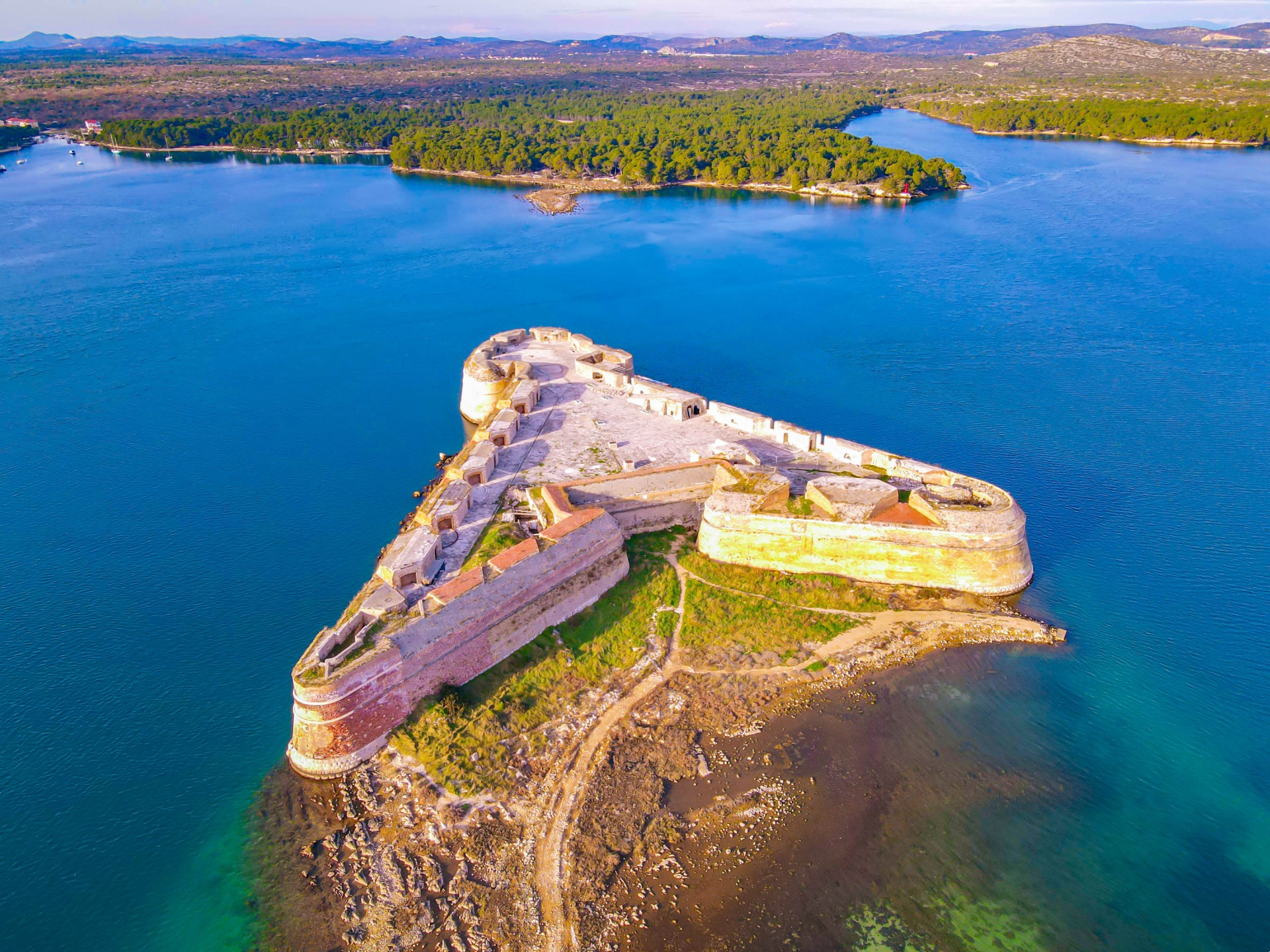
Before the fortress was built, the island was home to the Benedictine monastery of St. Nicholas, and Šibenik was defended by two towers at the entrance to the Channel. However, when the Ottomans conquered nearby Skradin in the 16th century, the threat of losing the coast became real, prompting Venice to send its master architect, Gian Girolamo Sanmichelli, to build an impenetrable fortress. Thanks to his vision, St. Nicholas Fortress is a blend of Renaissance harmony and military practicality; its stone base is fused with the rock upon which it was built, while the fortress walls themselves are constructed from Venetian brick.
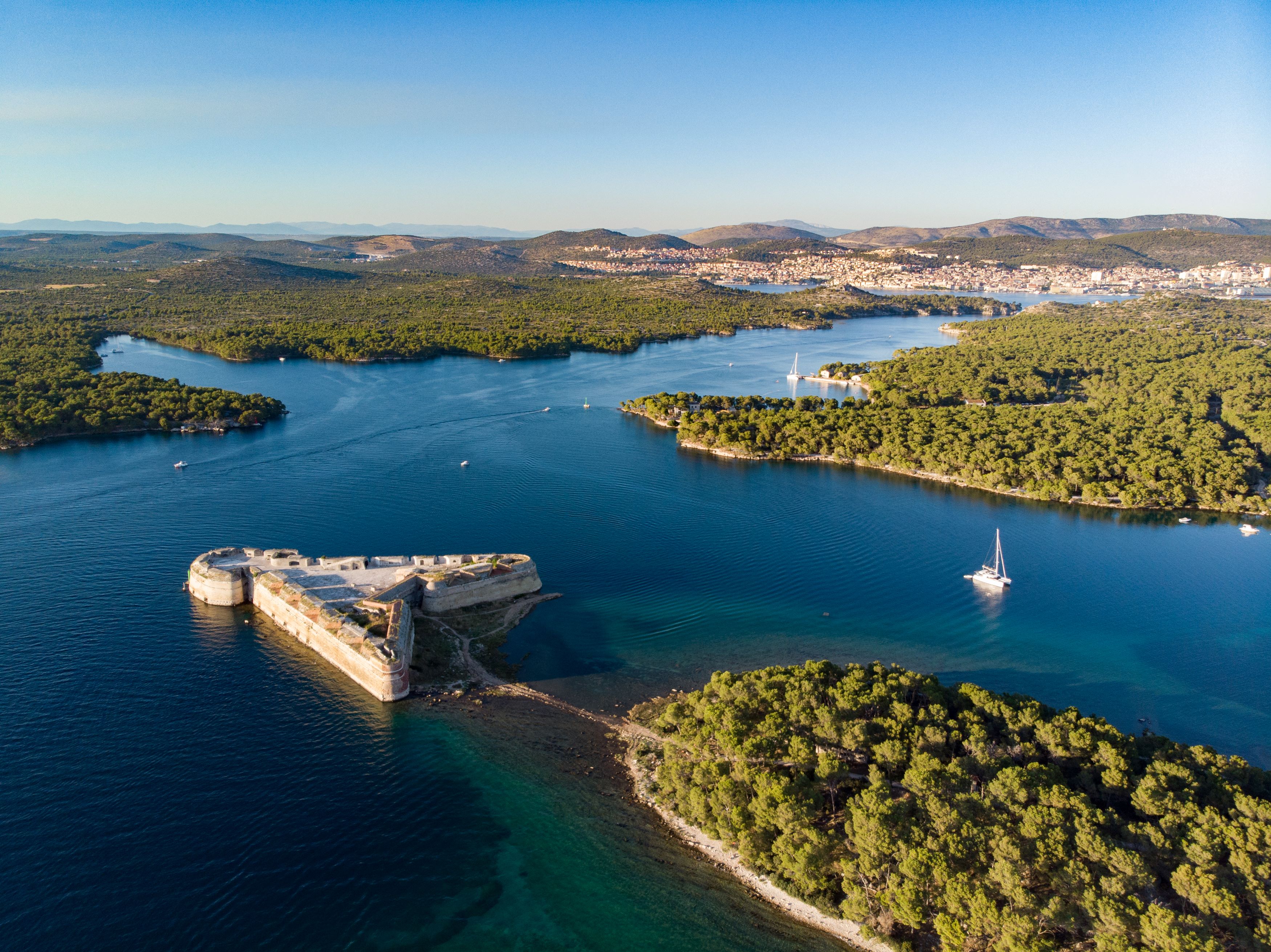
It represents a prime example of "alla moderna" Venetian military architecture, adapted to the new style of warfare involving firearms. Due to its bastion design and brick armor, it could absorb cannonball impacts far better than previous structures and was technologically advanced for its time. With its unusual triangular shape and a round bastion facing the Channel, the fortress was not only functional but also served as a deterrent; its imposing appearance, towering over ships, discouraged attackers from even considering an assault. For this reason, the sea around Šibenik was never the site of naval battles, as St. Nicholas Fortress ensured its peace.
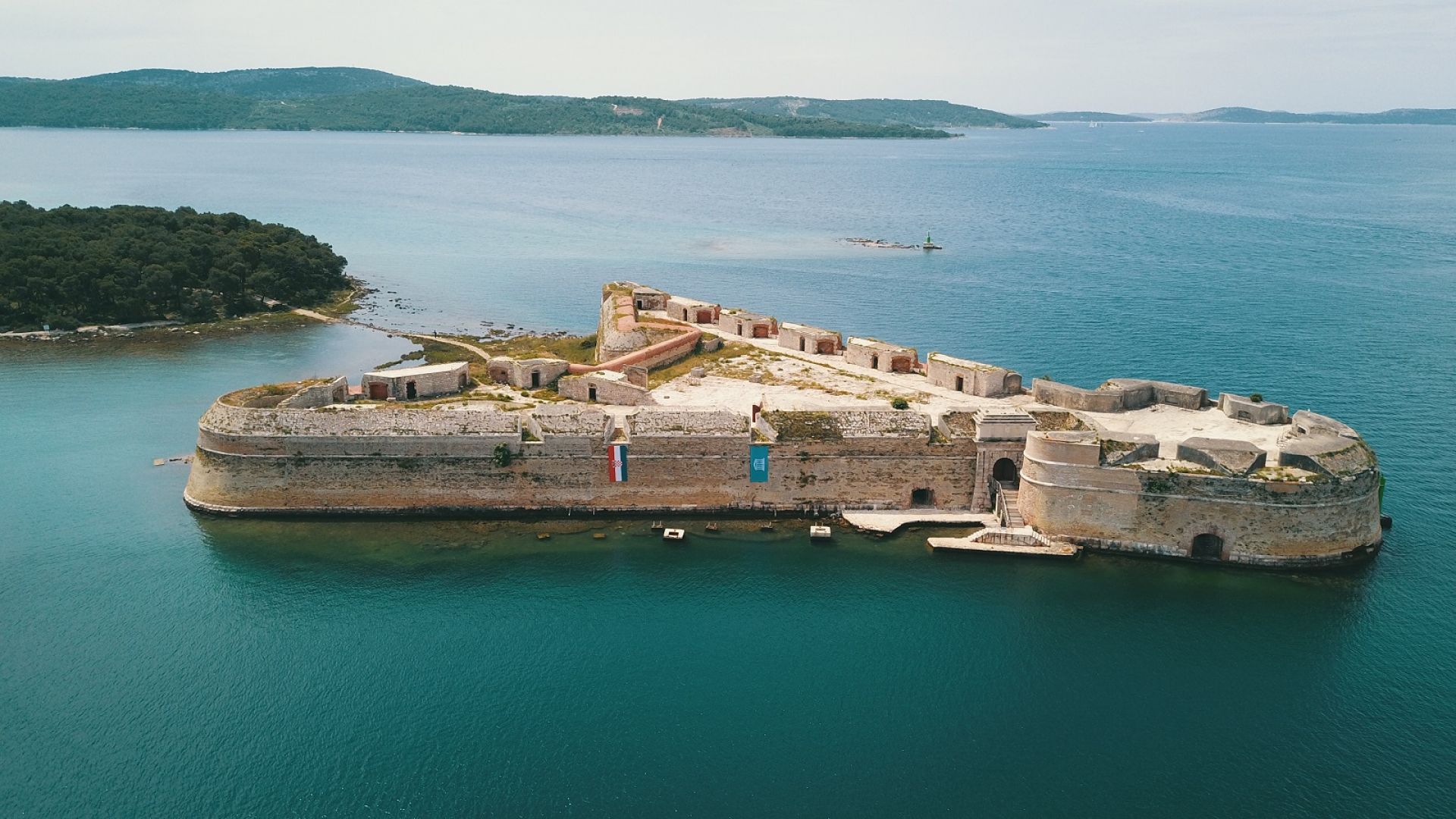
Just as the fortress protected Šibenik in the past, the protected area surrounding it today preserves this UNESCO World Heritage gem. The fortress is valued for the original form it has maintained and its ingenious Renaissance architectural solutions, leading to its 2017 inscription on the UNESCO World Heritage List as part of the joint transnational nomination "Venetian Works of Defence between the 16th and 17th Centuries." With this, Šibenik gained a second UNESCO site, following St. James's Cathedral, placing it among a select few cities in the world.
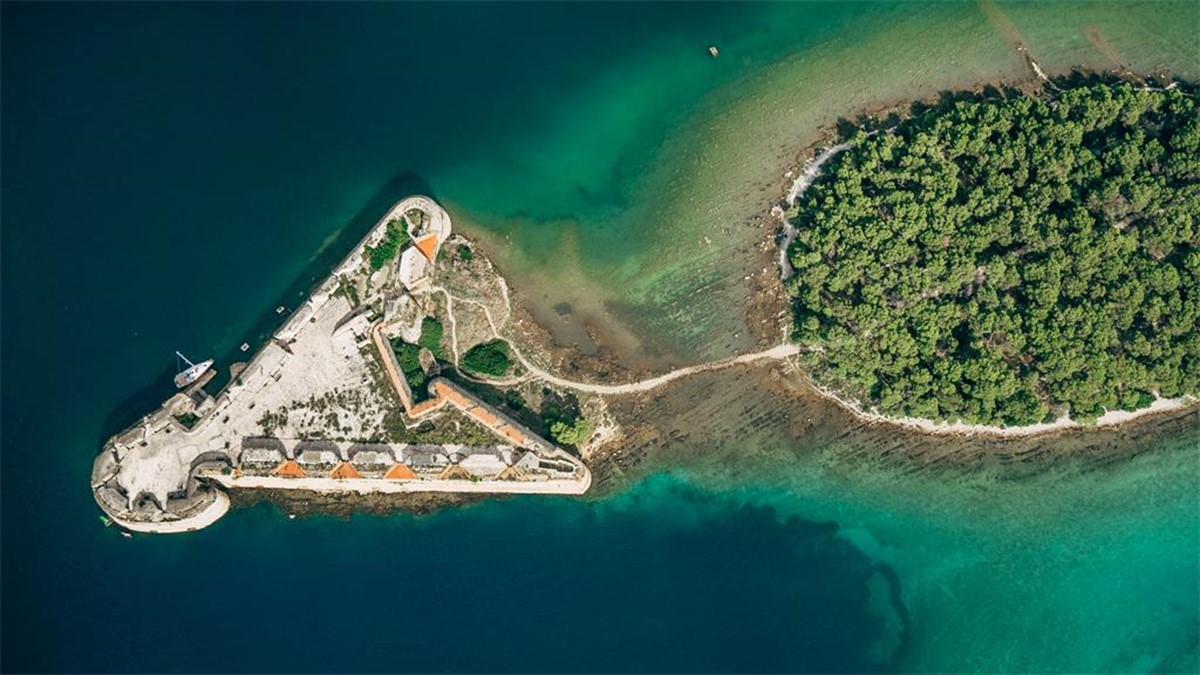
Currently, the fortress can only be accessed by boat, allowing you to experience its grandeur through the eyes of the travelers and sailors who have navigated St. Anthony’s Channel for centuries. Once you step ashore, you will be captivated by the mystery of its interior rooms and the stunning view from the upper plateau. Between each bastion and parapet on the fortress walls, where cannons once stood, you are met with a different view: the Channel, the city, and the islands of the Šibenik archipelago—you choose the frame for your photo. Detailed information on opening hours, ticket prices, and boat schedules can be found on the official website of the Public Institution Nature of Šibenik-Knin County.


