

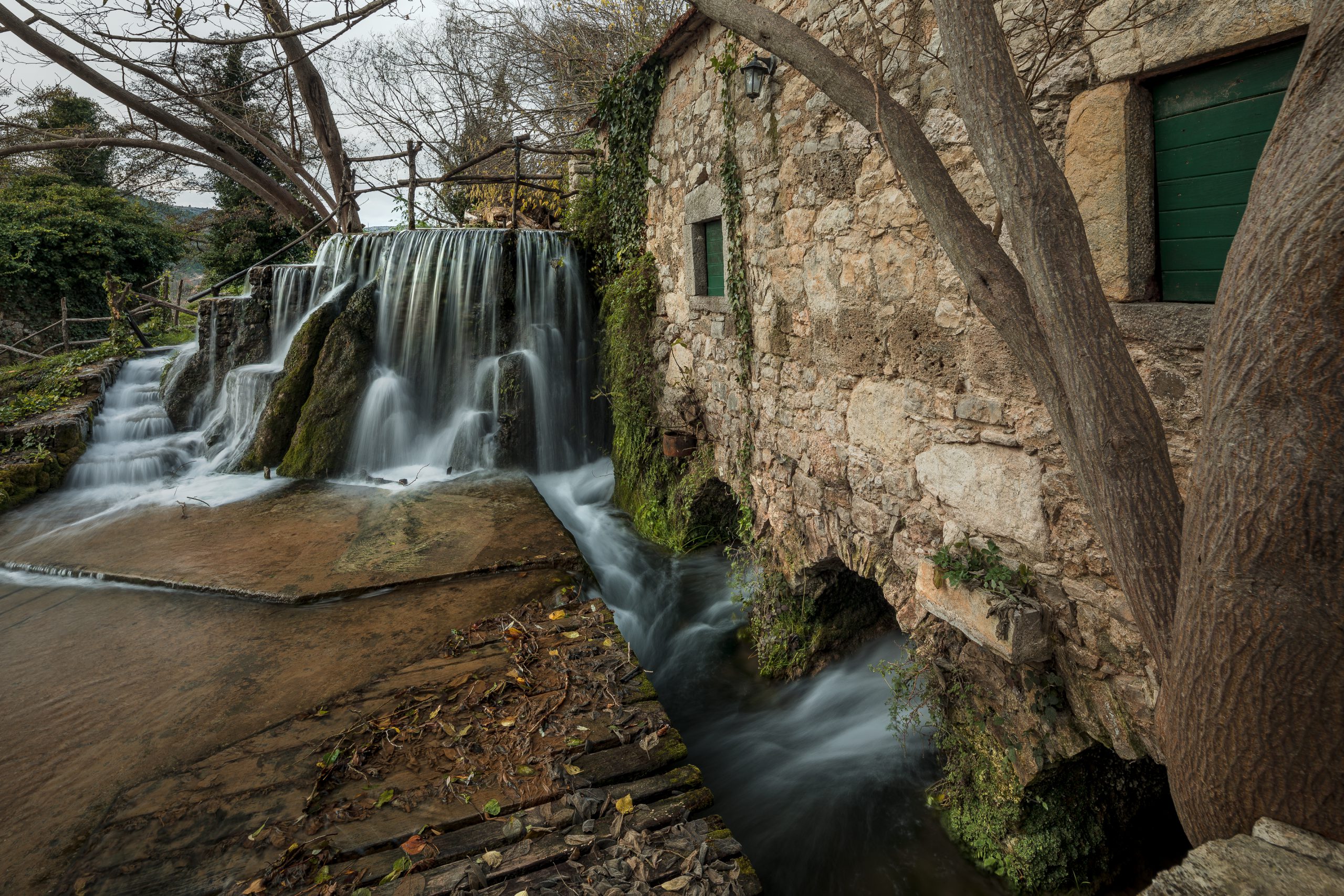
The exact time the first mills at Roški Slap were built has not been historically established. Although Roman inscriptions from the area of ancient Promona suggest the existence of hydraulic devices on the Krka and Čikola rivers as early as antiquity, no archaeological remains of mills from that period have been found on the Krka itself to date. The current complexes grew on the foundations of medieval mills, for which there is only sparse documentation, unlike the mills at Skradinski Buk, which were more frequently recorded in historical sources.
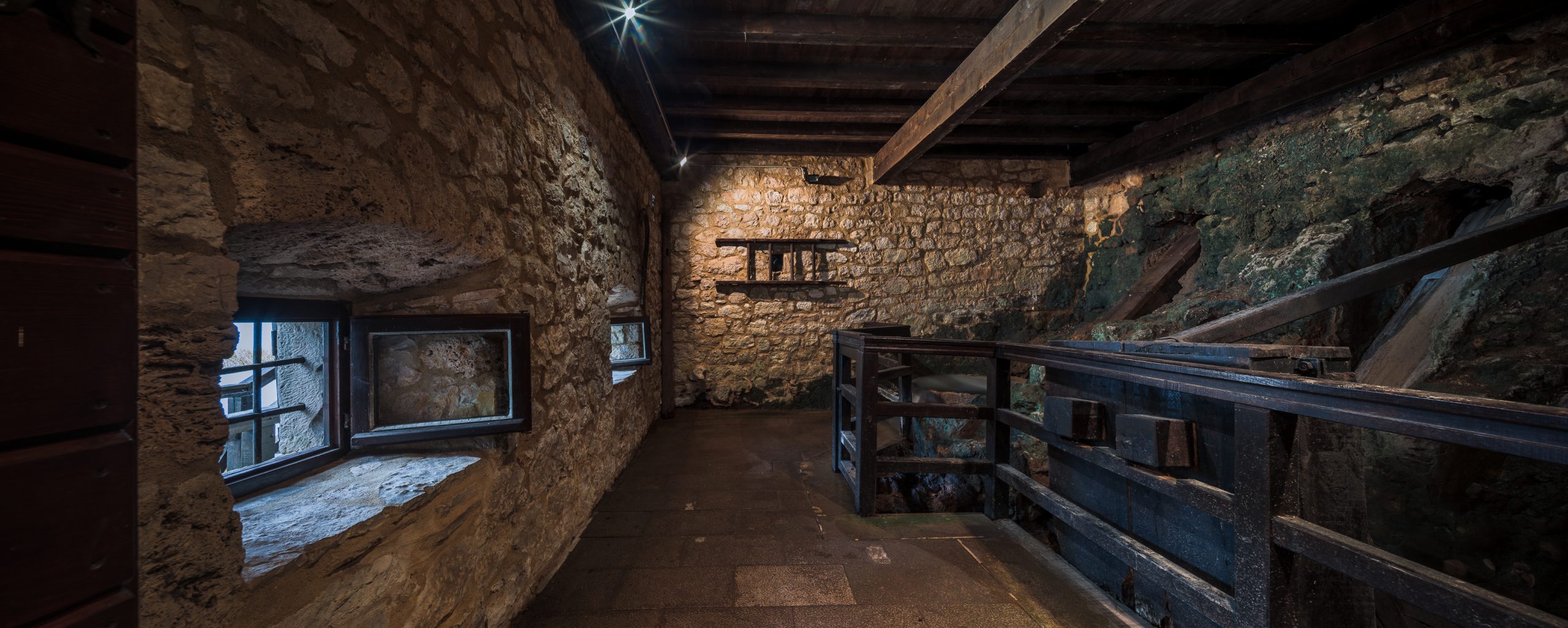
The history of the watermills at Roški Slap is marked by changes in ownership and strategic interests. It is known that the Visovac Franciscans owned some of the mills until the beginning of the 16th century, when this area fell under Ottoman rule. The Turks took control of the watermills to supply their army with flour, and they remained in their possession until the end of the 17th century. After the expulsion of the Ottomans, the Venetian Republic took over the management of this area and its resources.
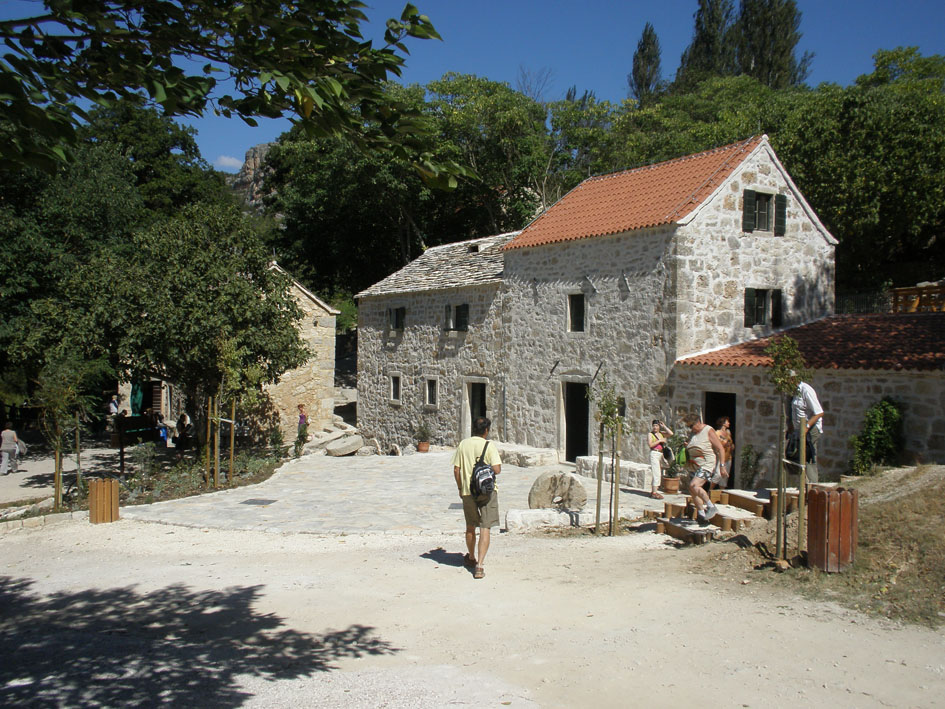
The modern era brought new challenges for the operation of the watermills. The construction of a hydroelectric power plant in 1909, built by the Siverić coal mining company, directly affected the water flow and the operation of the existing hydraulic devices. Despite these changes, the watermills survived as part of the local identity, and today they bear the names of their former and current owners, such as the Kulušić/Marasović, Samodol/Skelin, Jović, or Šoster mills.
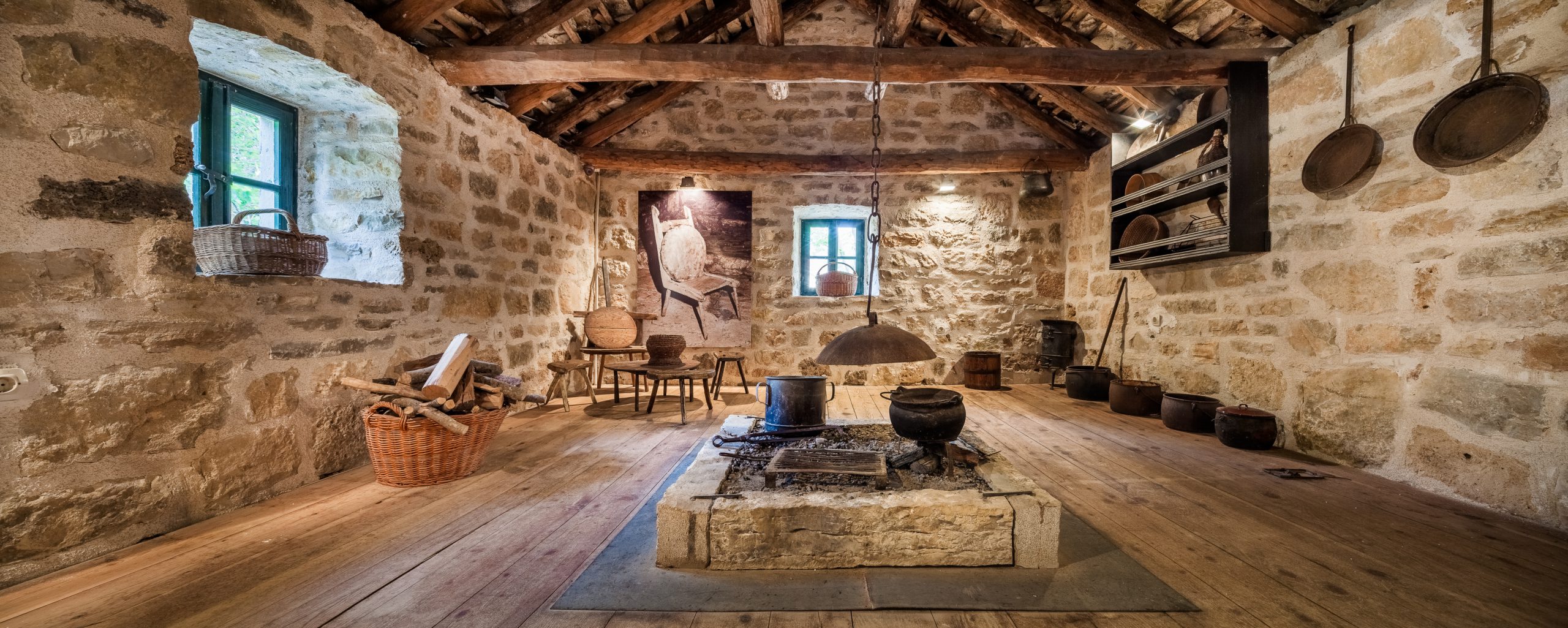
Today, these structures offer an insight into the traditional way of life and work in the Dalmatian hinterland. They are not just economic facilities, but also part of the cultural heritage of Krka National Park, allowing visitors to understand the coexistence of man and the river. The preserved architecture of the mills, built in harmony with the natural environment, continues to remind us of the importance of milling, which was the foundation of survival in this area for centuries.


