

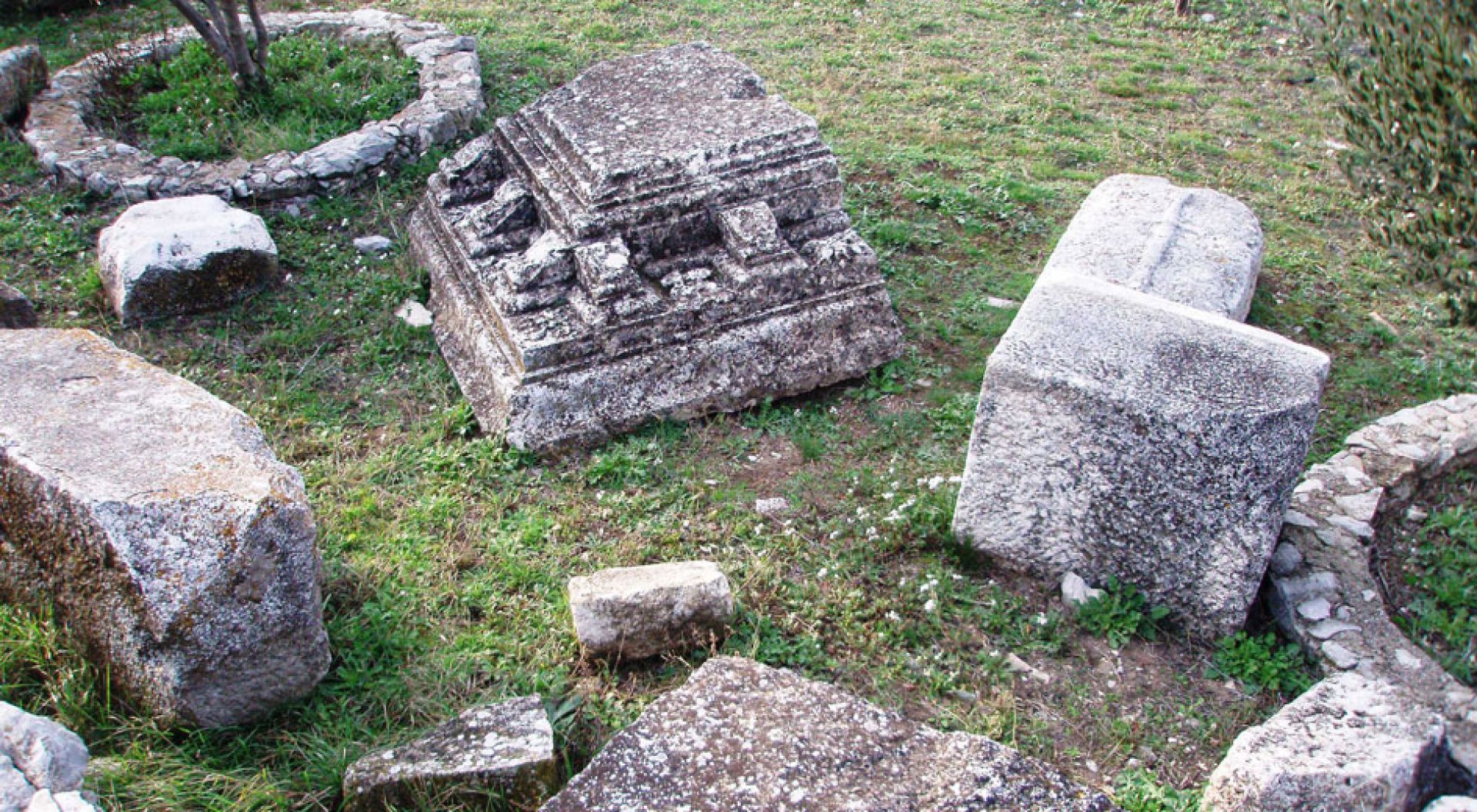
The Danilo archaeological site, located in the fertile Danilo field about 15 kilometers east of Šibenik, represents an exceptionally important window into the past of the eastern Adriatic coast. Its history spans several millennia, from the New Stone Age to the Middle Ages, making it a key site for understanding the development of human society in this region.
The Danilo Culture: Neolithic Innovation
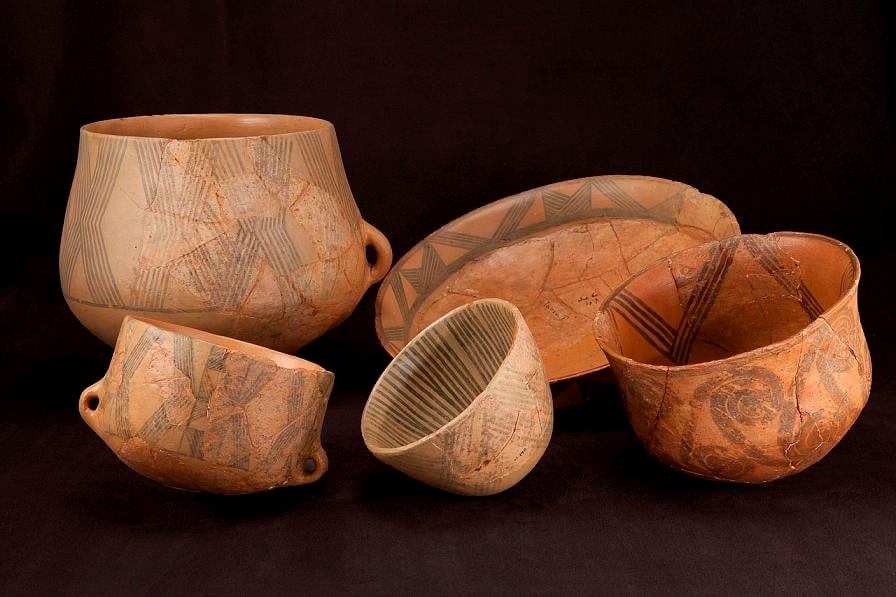
The oldest layers of Danilo bear witness to the existence of the Danilo culture, which dates back to the period between 5300 and 4900 BC. This Neolithic culture, named after the site itself, is known for its exceptionally high-quality and decorated ceramic vessels. Among the most recognizable finds are rhytons – ceramic vessels of unusual shapes, often on four legs, which played an important role in the daily and ritual life of the community. It is believed that these rhytons may have been associated with the consumption of dairy products, including cheese and milk, as well as ceremonial practices, providing valuable insight into the cultural and spiritual aspects of the Danilo community.
The Story of the World's Oldest Cheese
One of the most revolutionary discoveries related to Danilo is evidence of cheese production from over 7,000 years ago. Through the analysis of ceramic fragments found at the Danilo and Pokrovnik sites, a revolutionary food technology was identified. Fragments of vessels with a characteristic porous design were used as strainers to separate whey from curds, which enabled the production of cheese. This discovery, confirmed by international research, places Danilo among the key sites for understanding the history of nutrition and civilization, as cheese production allowed for longer-lasting and more transportable food products, ensuring nutritional stability for the populations of that time.
Municipium Riditarum: A Roman City in the Hinterland
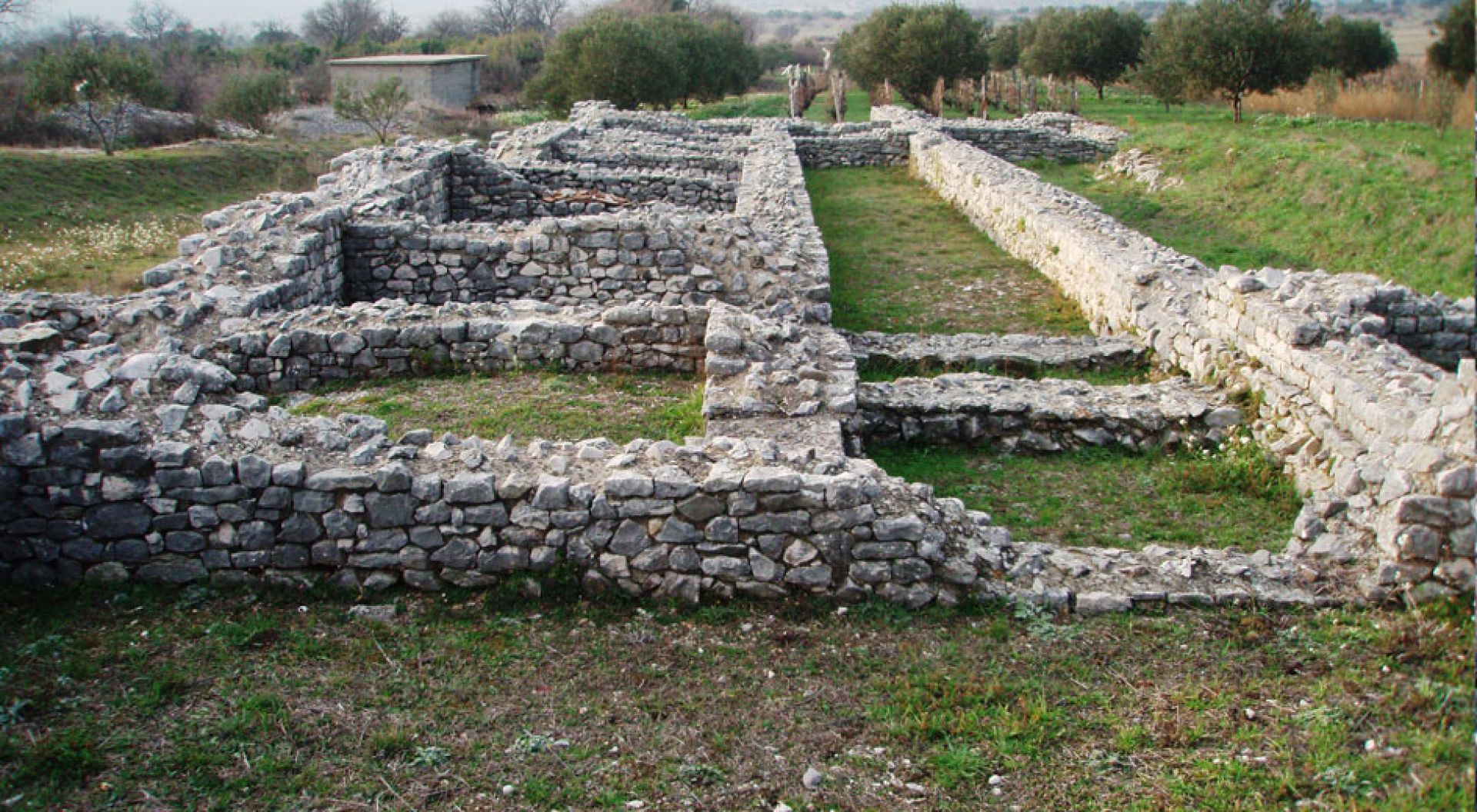
After the Neolithic period, the Danilo area was inhabited by the Delmatae, specifically the Riditi community, from whom the ancient city took its name. With the arrival of the Romans in the 70s AD, the Municipium Riditarum was founded on the site of present-day Danilo, serving as an important Roman city in the hinterland of Šibenik and Skradin. Research has shown that beneath today's cemetery and the Church of St. Daniel lie the remains of monumental Roman architecture, including a temple, a forum (central square), and thermae (public baths) with underfloor heating. Numerous epigraphic stone monuments with Delmatian names have also been found, testifying to the indigenous origin of the population and their integration into the Roman system.
Ongoing Research and the Future
Archaeological research at Danilo began in 1951 and has continued, with short interruptions, to this day. Thanks to modern technologies, such as ground-penetrating radar and drone-based spectral analysis, it is now easier to understand the way of life in the former Roman city. Part of the site is owned by the Museum of the City of Šibenik, where 1st-century architecture has been conserved and is on display. There are also plans to build a visitor center that would serve to present archaeological material and act as a space for cultural and educational content, further enriching the tourist offer of the Šibenik region and promoting the rich historical heritage of Danilo.


