The Šibenik-Knin County owes its winemaking tradition to a unique combination of rocky soil, a Mediterranean climate, and indigenous grape varieties rarely found elsewhere. The wineries listed below offer different perspectives on the same landscape, ranging from small family cellars to organic vineyards nestled beneath the Dinara mountains.
Testament Winery – Jadrtovac
The Testament Winery tasting room is located in Jadrtovac, a small hamlet between the Šibenik hinterland and the archipelago, overlooking the Adriatic Sea. The vineyards are rooted in soil that represents a constant struggle between vine and stone, resulting in wines with intense colors and full-bodied flavors. Winemaker Juraj Birin leads on-site tastings, featuring indigenous Dalmatian wines produced using modern methods and an eco-friendly approach.
Baraka Winery – Srima
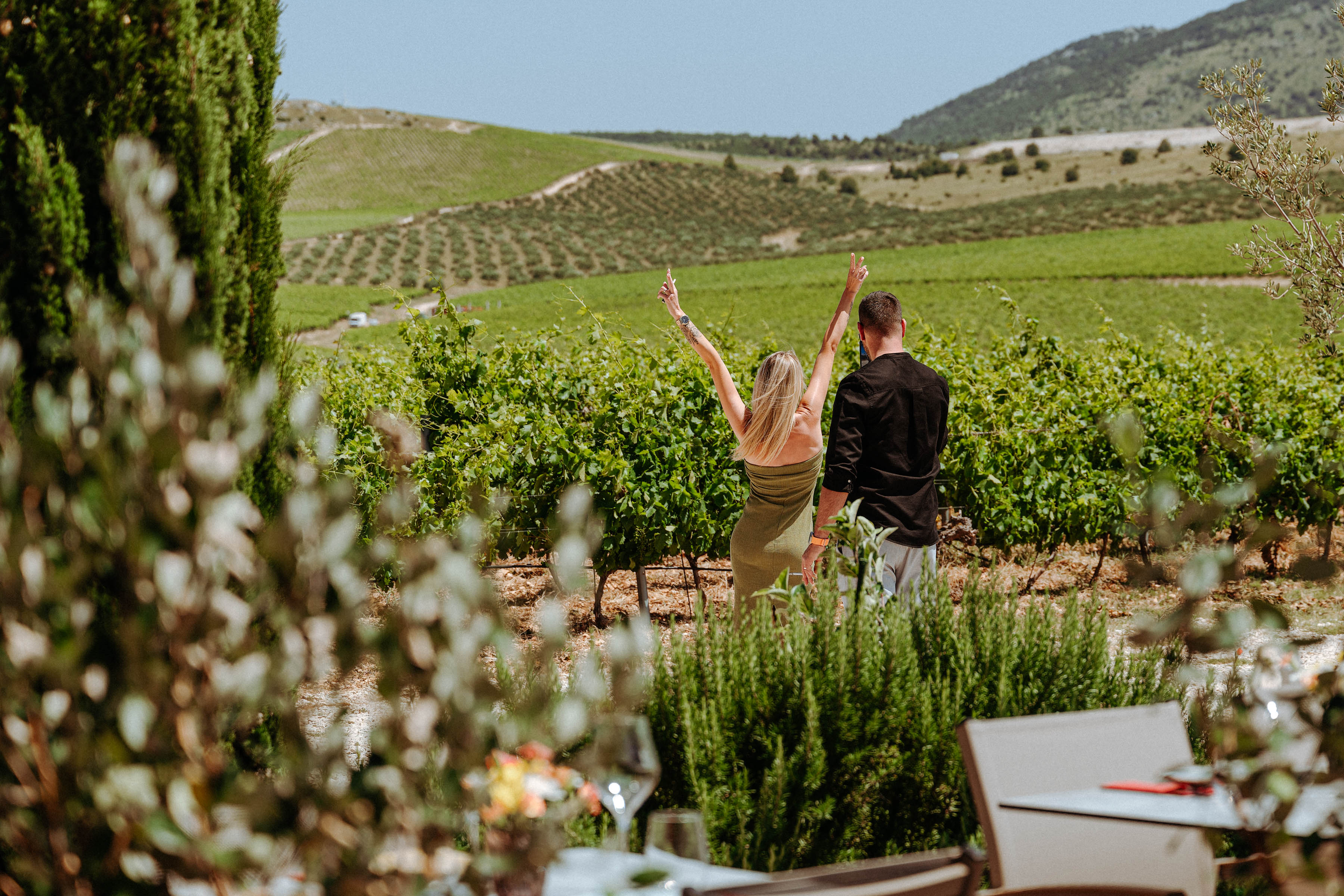
The family-run boutique Baraka Winery is located on the Srima peninsula, between Šibenik and Vodice. The focus is on limited-edition wines, with a hands-on approach in every stage of production. The tasting room, which overlooks the vineyard, offers a selection of indigenous and international varieties, including award-winning wines from their own estate, paired with extra virgin olive oils and local cheeses.
Rak Winery – Dubrava
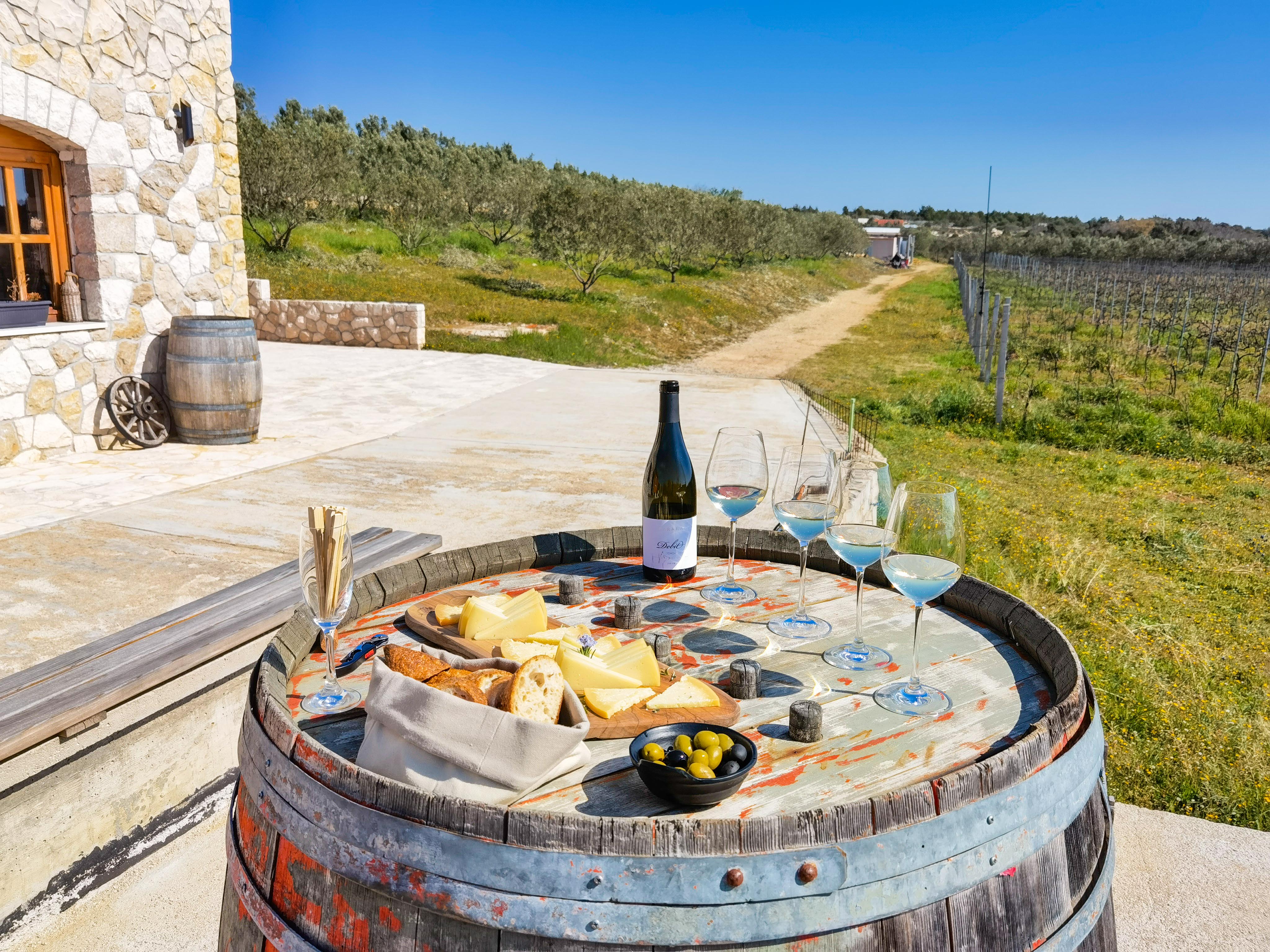
Located in the Šibenik hinterland, Rak Winery specializes in two indigenous varieties: Babić and Maraština, and also produces Opolo from Babić grapes. Active since the 1960s, this family estate combines traditional viticulture with modern processing equipment and oak barrels for aging. The property features a tasting room with a capacity of up to 50 people, accommodation units, and a regular offering of cold platters featuring local prosciutto, cheese, and olives.
EGO Vina Winery - Jadrtovac
Located in Jadrtovac, in the heart of the Šibenik vineyards, are the organic vineyards of Ego Vina. On 50 hectares of sunny, rocky slopes, they grow exclusively indigenous Dalmatian varieties: Maraština, Pošip, Babić, and Plavac. By combining tradition with advanced technology, they produce ten premium labels that faithfully reflect the raw character of the region's sparse soil, stone, and sea breeze. The grapes are harvested exclusively by hand with strict control over every stage of production, and the name "Ego" (often branded as Dalmatian Ego) symbolizes the pride, unwavering individuality, and strength that the winery pours into every bottle.
Bibich Winery – Plastovo
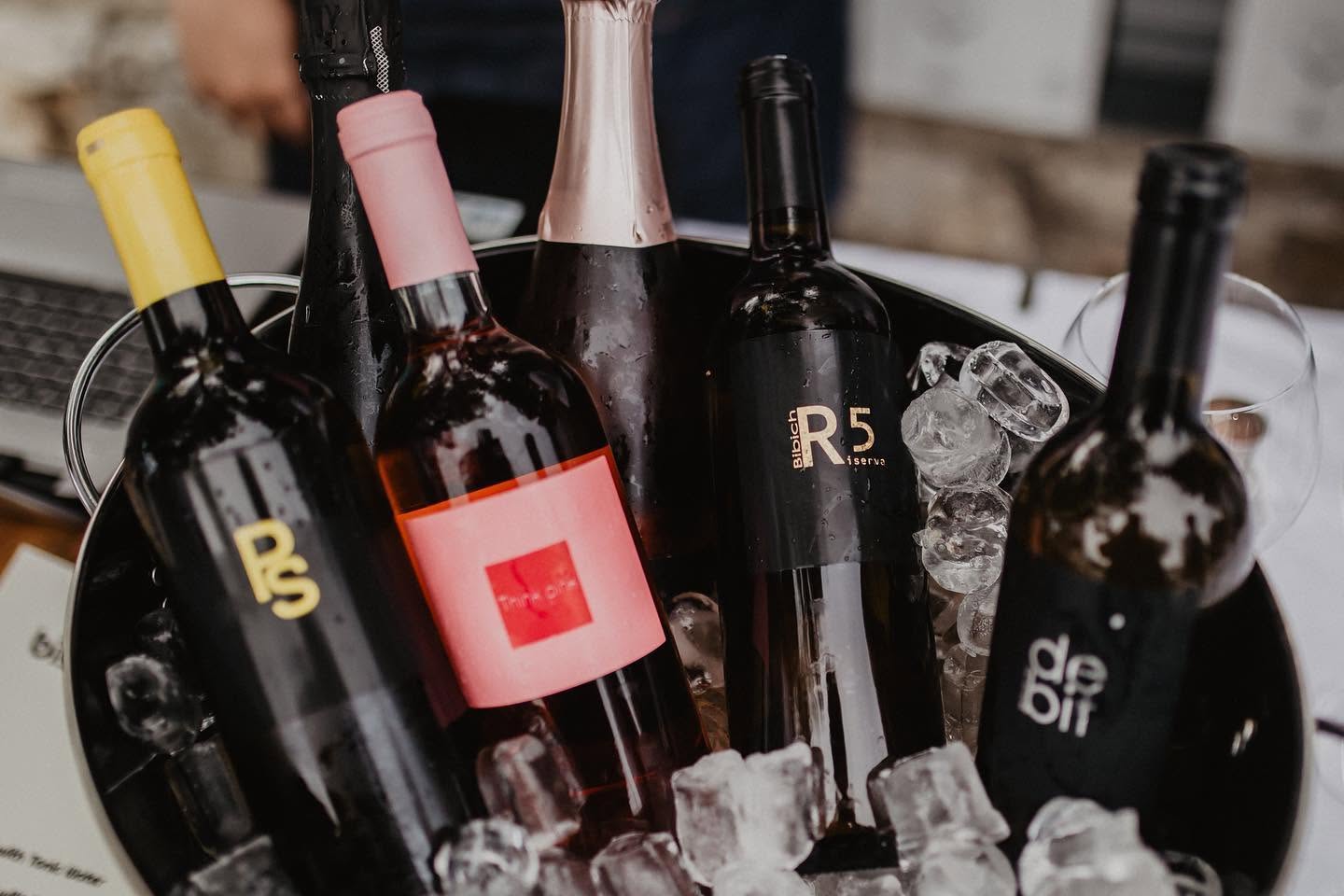
The family-run Bibich Winery is located in Plastovo near Skradin, on an estate with written records dating back to the 15th century. Following the destruction of the 1990s, the vineyards and cellar were restored, and the first wines under the new name were released in 1998. The selection includes indigenous varieties such as Debit, Pošip, Maraština, Babić, Lasina, and Plavina, alongside international varieties like Syrah, Merlot, and Sauvignon Blanc, grown on over 20 hectares across three vineyard regions – Skradin, Nadin, and Promina. Annual production ranges between 120,000 and 150,000 bottles, some of which can be found on wine lists in restaurants in New York, Tokyo, and Stockholm.
Ante Sladić Vino – Plastovo
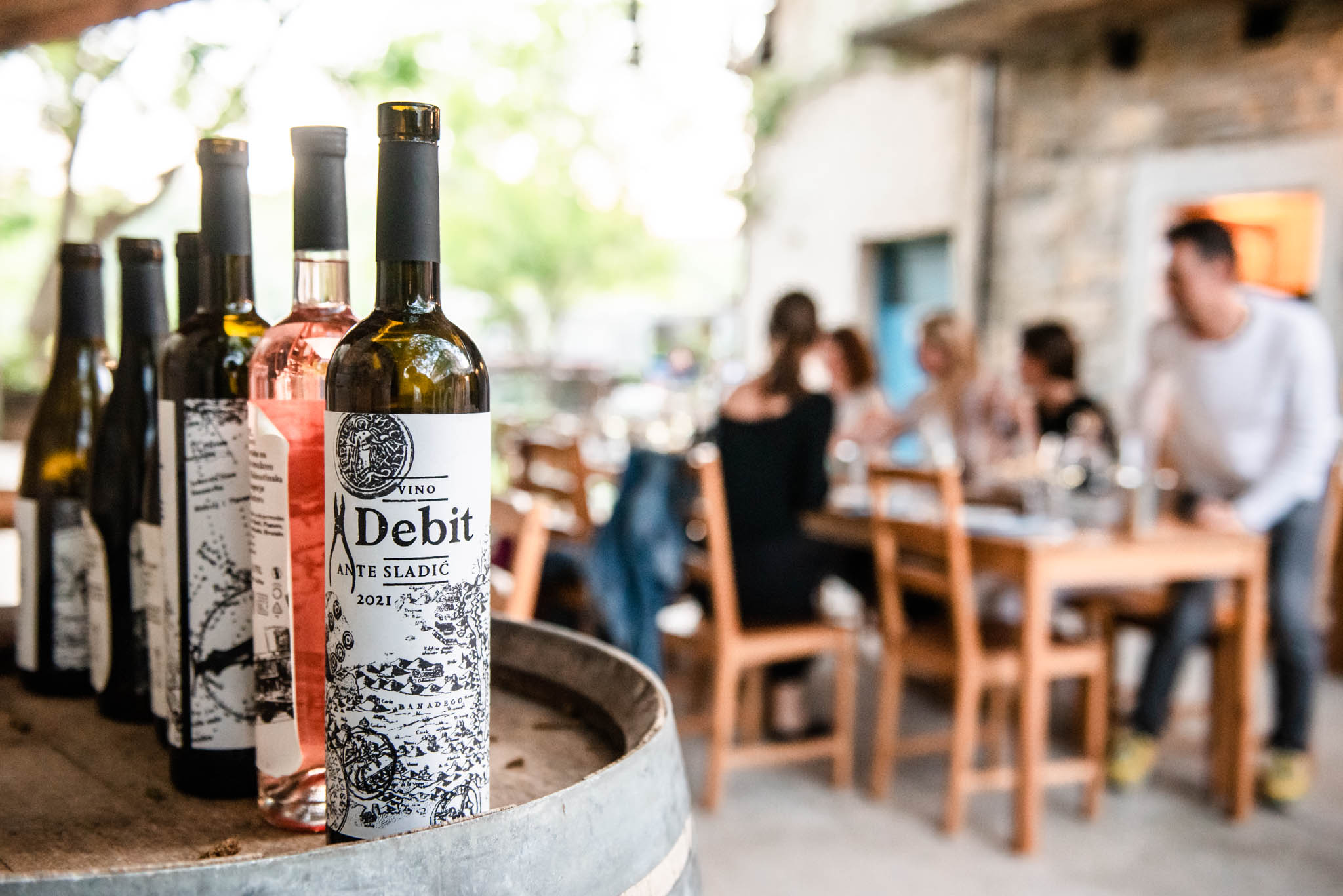
Six hectares of vineyards at an altitude of 250 meters above Skradin form the foundation of the winery led by agronomist and oenologist Ante Sladić, who continues the work of his father, Marinko. Production is focused on single-varietal wines made exclusively from indigenous grapes – Debit, Maraština, Plavina, Lasina, Tribidrag, and Babić – along with extra virgin olive oil from the native Oblica and Krvavica olive varieties. The winery's wines and oils have received awards at Decanter and NYIOOC competitions, and tastings are organized in their tasting room, accompanied by local specialties.
Prgin Winery – Primošten
The Prgin boutique winery is located in Biline, in the hinterland of Primošten, surrounded by Mediterranean vegetation and olive groves. It is based on the indigenous Babić variety from the world-famous Bucavac vineyards, featuring around 20,000 vines planted in characteristic dry-stone walled plots. The tasting room is set in a former village school, offering space for about twenty guests and an outdoor terrace. The winery produces Babić, Opolo, and Debit, with an annual capacity of approximately 20,000 bottles.

Burnum Winery – Vrbnik near Knin
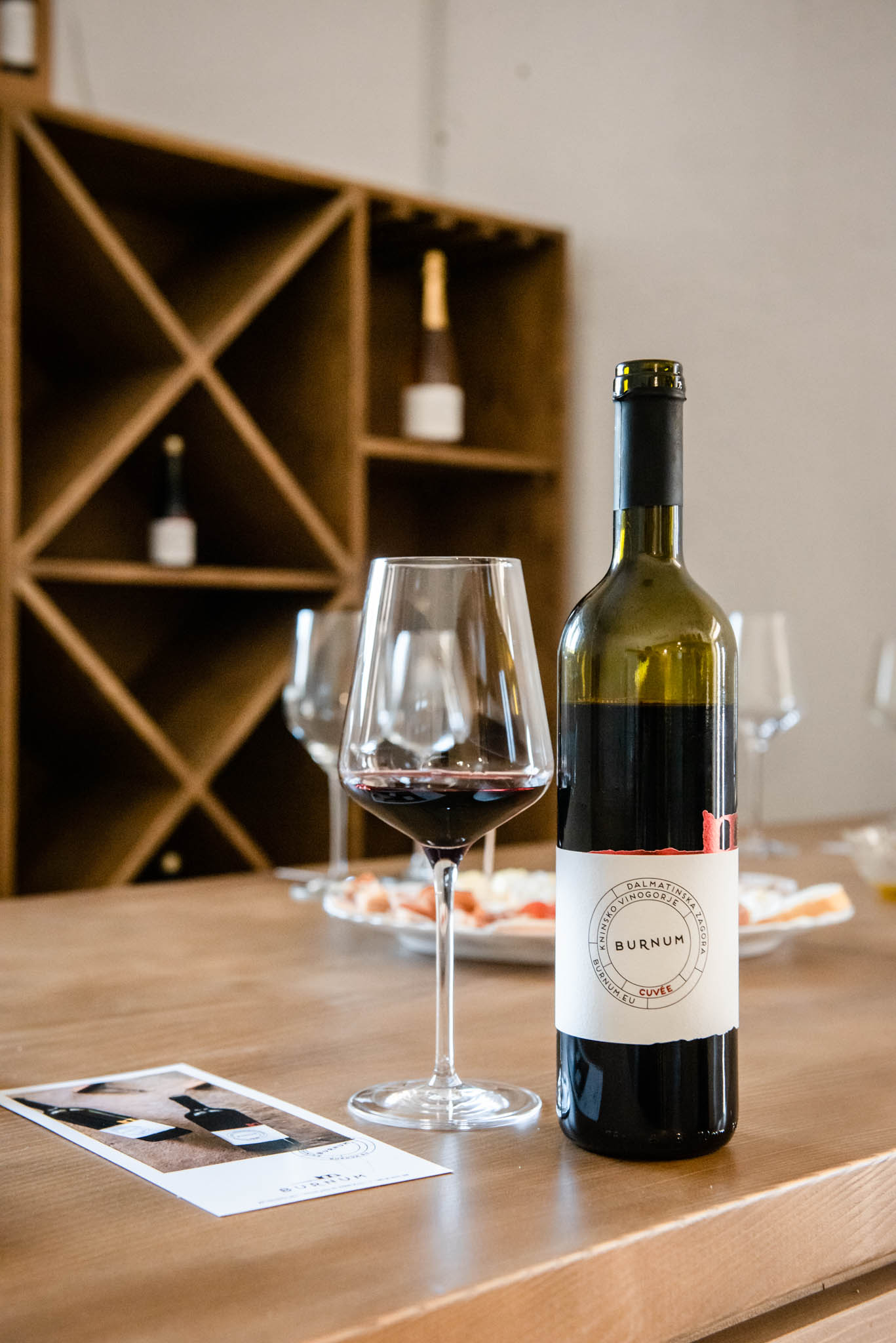
On a plateau above the village of Vrbnik, seven kilometers from Knin, lies the Vrbničko Selo Agricultural Cooperative estate with 30,000 grapevines. The winery specializes in cuvées that combine indigenous varieties (Pošip, Babić, Maraština) with international ones (Chardonnay, Marselan, Carmenère). All grapes are grown organically and hold an EU organic certificate. Notably, Burnum was among the first in Croatia to produce sparkling wine from the Babić variety.
Birin Winery – Šibenik Hinterland
Birin Winery operates out of a 160 m2 underground cellar located on the family estate, which includes two hectares of vineyards, some of which are over 50 years old. The selection includes indigenous varieties: Debit and Maraština for whites, and Plavina, Lasin, and Babić for reds. Annual production is around 25,000 bottles across six labels. The age of some vineyards is reflected in the character of the wines; grapes grown in red soil possess a specific personality not found in vines planted on rocky terrain.
Sladić Winery – Plastovo
In the village of Plastovo, bordering Krka National Park near Skradin, the Sladić family upholds a long tradition of viticulture. Their focus is on revitalizing neglected indigenous varieties, with Maraština as the flagship, alongside Debit, Plavina, and Lasin. In addition to wine, the winery produces extra virgin olive oil and liqueurs, offering visitors the opportunity to enjoy tastings directly on the estate, accompanied by stories about the vineyards and the cellar. Ego Wines – Jadrtovac
Lasin Winery – Oklaj
In the Promina-Oklaj region, known for its centuries-old winemaking heritage, the Džapo family continues wine production under the name Lasin Winery. The name comes from a rare indigenous red grape variety grown alongside Debit, Maraština, and Merlot at altitudes between 250 and 300 meters, where the soil is highly drought-resistant. The winery's Lasin stands out for its marasca cherry aromas and a full yet delicate character, and the winery is currently working on aging a portion of its production in barrels to elevate its offerings.
MI Winery – Podglavica, Rogoznica
Between Šibenik and Rogoznica, where the Babić variety naturally dominates, lies the small boutique winery MI, named after the initials of its founders, Maja Divljaković and Igor Dokić. Their Babić took first place in a blind tasting against strong local competition, a testament to its exceptional quality and their dedicated work. A special place in their selection is held by the Terca cuvée—an elegant blend of Babić, Plavac Mali, and Merlot. With its softness and structure, this blend serves as a Dalmatian homage to Bordeaux-style wines and pairs perfectly with red meat dishes and traditional Dalmatian fish stews.
Vizzulin Winery – Badanj, Drniš
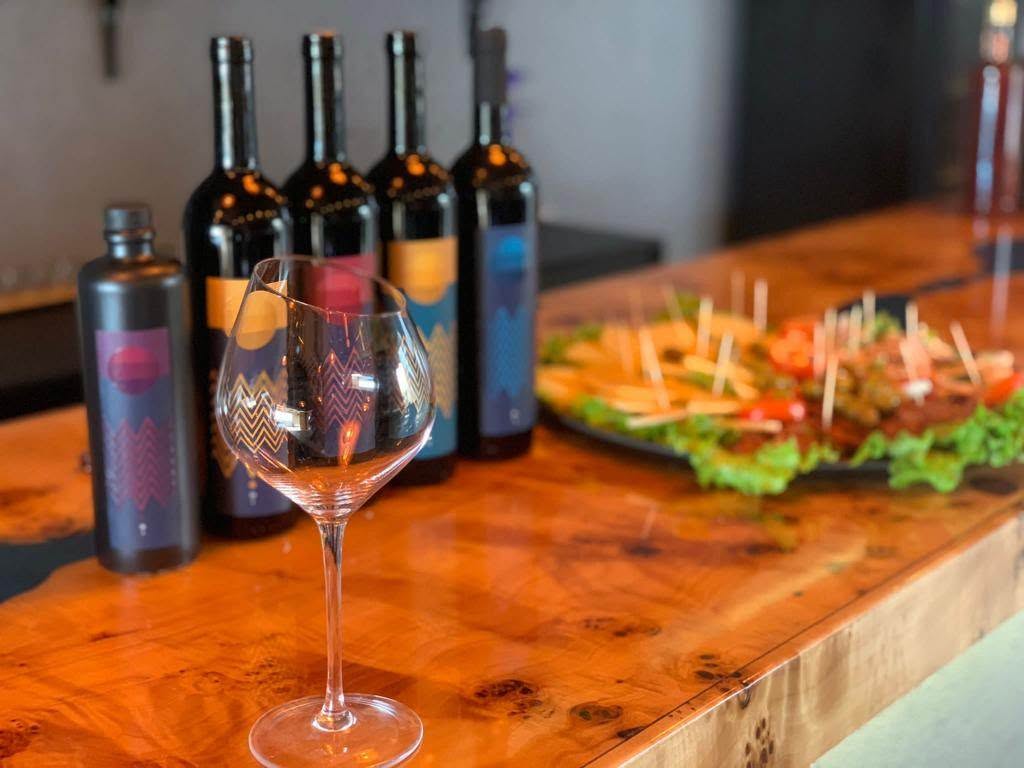
Located in the village of Badanj near Drniš, at the Mijović site, the family-run Vizzulin Winery draws its roots from two family lineages—one from Kaštela, connected to the sea, and one from the hinterland, connected to the rocky soil of the Promina and Svilaja mountains. Their modern era began in 2010 with the planting of a new vineyard at Mijović. The selection includes Cabernet Sauvignon, Merlot, Pošip, and Maraština, with the winery being among the first in the region to plant Pošip. The tasting room is situated in a stone house in the middle of the vineyard, with a capacity for about forty guests, offering prosciutto, cheese, and olive oil.
Ško vina Winery – Razvođe
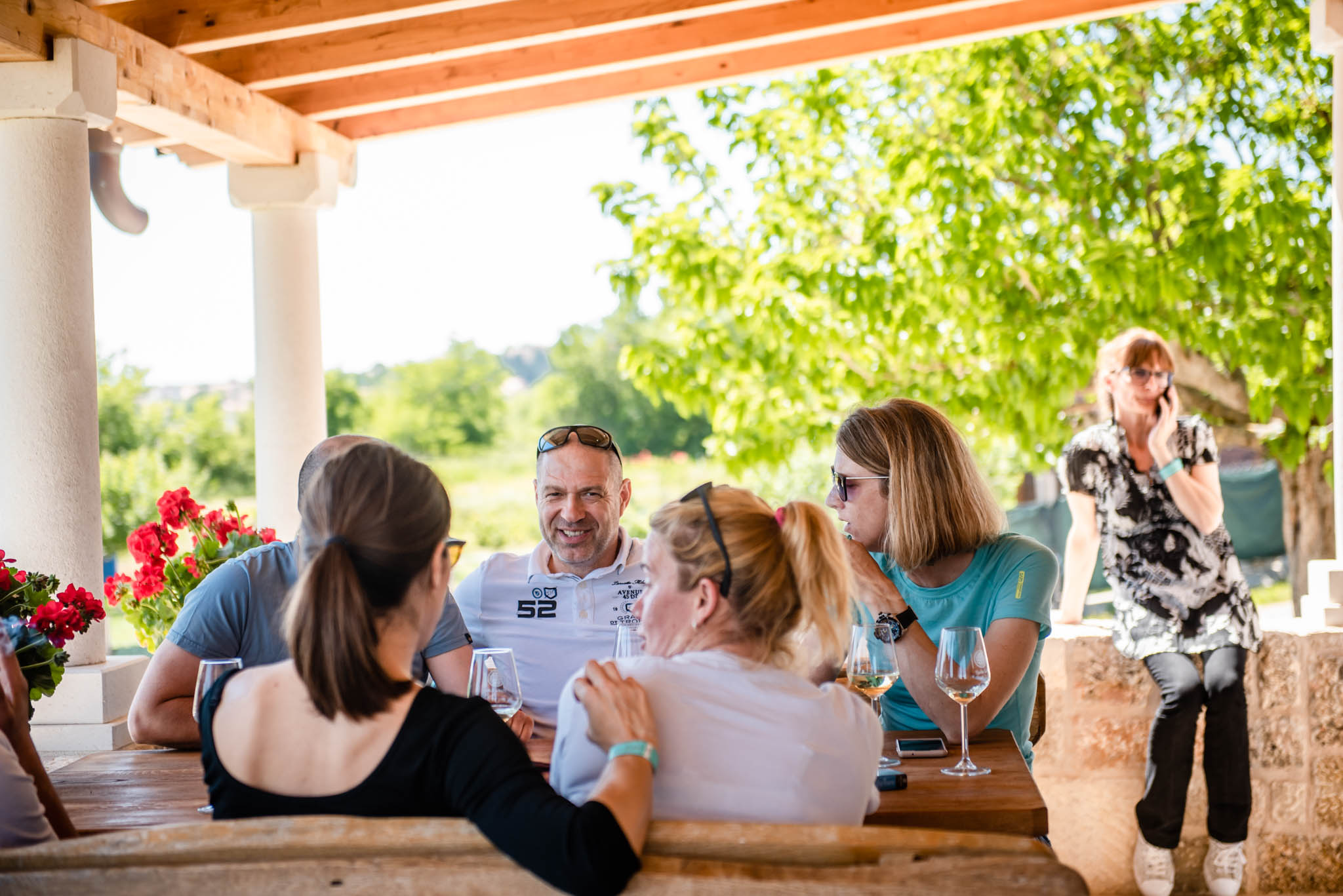
At an altitude of 250 meters, in the village of Razvođe on the Promina plateau, lie the vineyards of the Ško vina winery. Reviving the centuries-old tradition of the Škovrlj family under the guidance of Tomislav Tukić, the winery produces a distinctive range of Debit, Maraština, Pošip, and Plavina, alongside premium international varieties such as Merlot, Cabernet Sauvignon, and Syrah. Their highly regarded rosé is also crafted from the indigenous Plavina grape. Annual production is approximately 25,000 bottles, primarily destined for restaurants and hotels (HoReCa), with a portion of the selection successfully exported to the German market.