.svg)

Did you know that in one of the most beautiful parts of Croatia, you can witness a dance performed in complete silence? The Šibenik-Knin County is home to five UNESCO-protected intangible heritage sites.
The intangible heritage of the Šibenik region isn't kept behind glass—it’s lived. From the "Nijemo kolo" (silent dance) performed without musical accompaniment to the Klapa singing that has filled the Mala loža for nearly three decades, this heritage is passed down from generation to generation, through the hands, voices, and skills of those who preserve it.
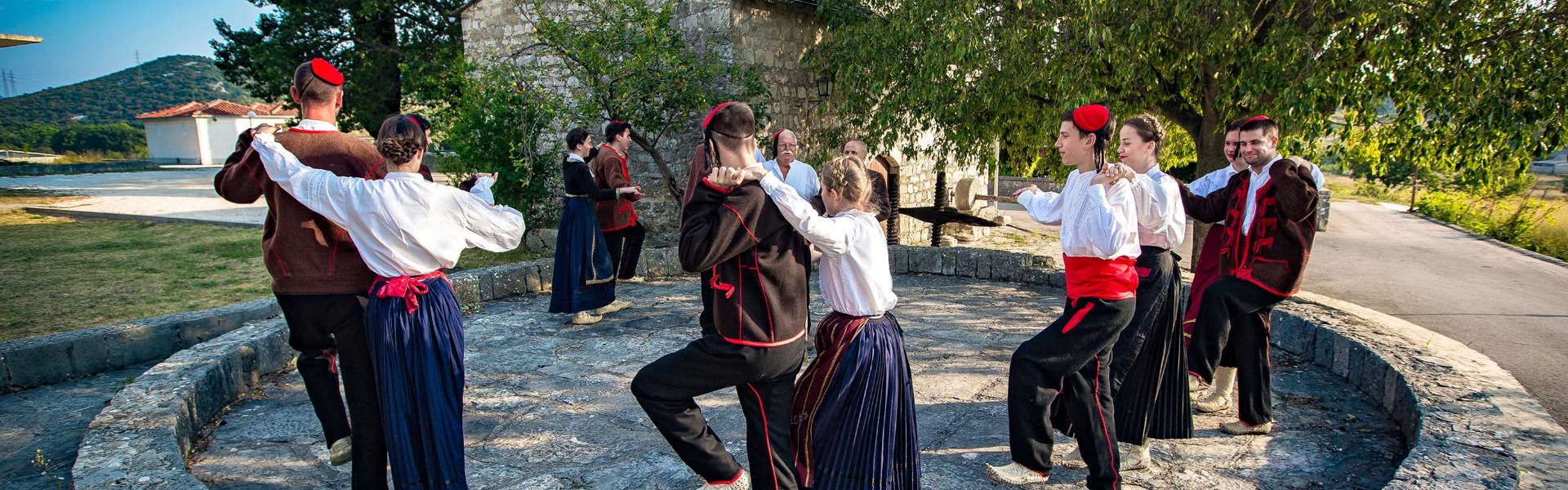
Nijemo kolo from the Dalmatian Hinterland
This unique traditional dance is performed without musical accompaniment, either in a group circle or in pairs. In some areas, it is performed with the help of traditional instruments like the diple and mjeh, or accompanied by specific styles of small-group singing such as ganga, rera, and vojkavica. The performance of the kolo can vary from village to village; in some places, the figures and steps are performed spontaneously, while in others, the performance is structured and shaped into stage choreography. Today, the kolo is performed at various fairs, weddings, and folklore festivals. The value of the Nijemo kolo was recognized in 2011 when it became part of the UNESCO Intangible Cultural Heritage list. Every year in April or May, the Šibenik-Knin County Folklore Festival is held, where you can see traditional dances, singing, and folk costumes from every town in the county. It is held with the aim of preserving the traditional culture and customs of Šibenik and its surrounding region. If you would like to learn more about the culture and customs of the Šibenik area, join us.
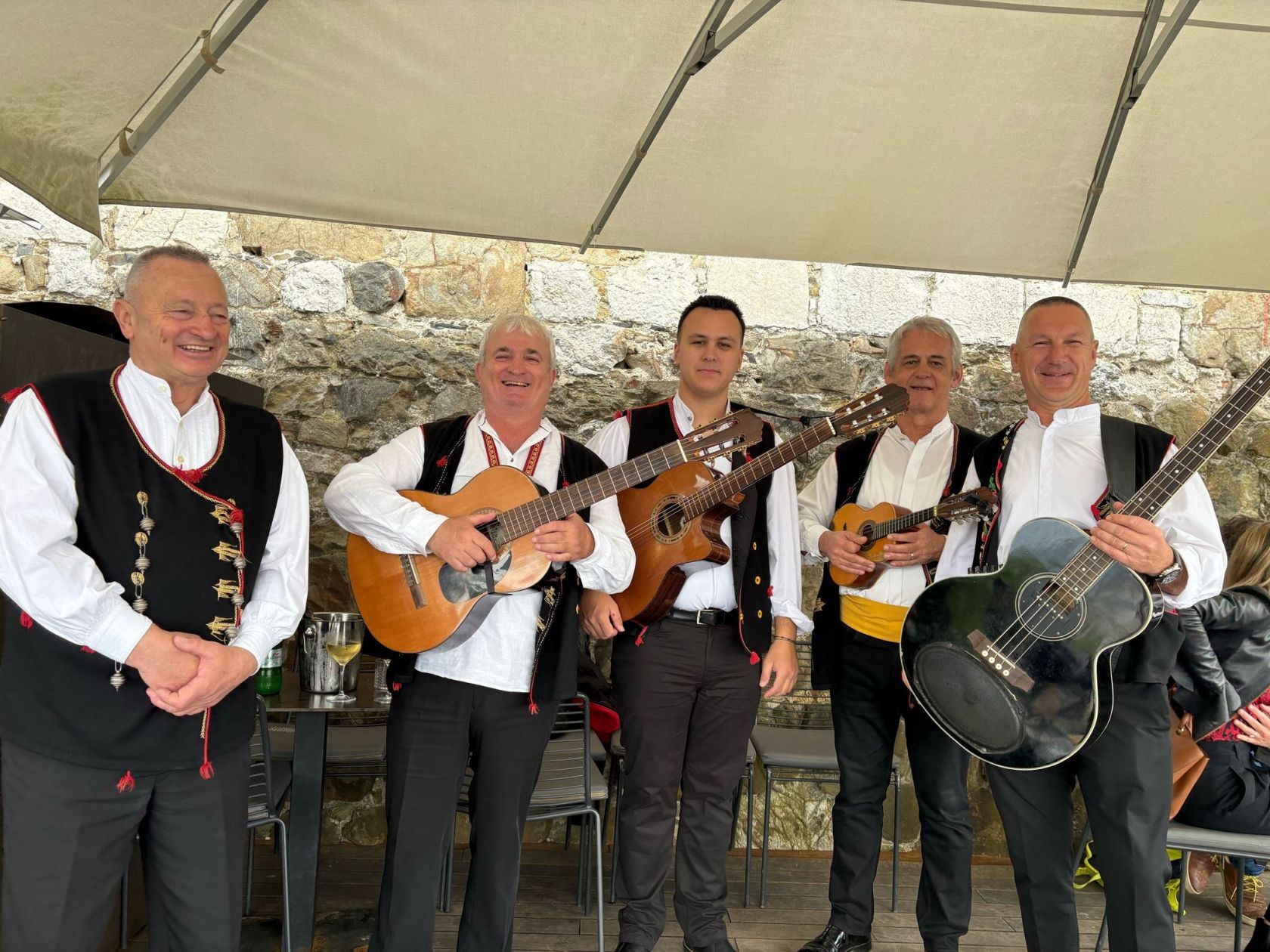
Klapa singing
A traditional homophonic style of singing performed exclusively by male voices. The number of singers is not strictly defined, but groups typically consist of five to nine members. The themes of Klapa songs are usually about love, often celebrating the beauty of Dalmatia. Today, Klapa groups can be categorized into three models: folk Klapa, festival Klapa, and modern Klapa.
The folk Klapa is the oldest model, characterized by spontaneous performance and a shared love for singing and nurturing the tradition of Klapa music itself. Every year, Šibenik hosts Klapa groups from the region on a small summer stage at Trg Ivana Pavla II, popularly known as "Mala loža." For the past 27 years, the festival has nurtured the tradition of Klapa songs, celebrating Šibenik's poets and performers. The program runs from the beginning of July to the end of September. The stage is outdoors, admission is free, and all lovers of traditional Klapa singing and a pleasant musical atmosphere are invited.
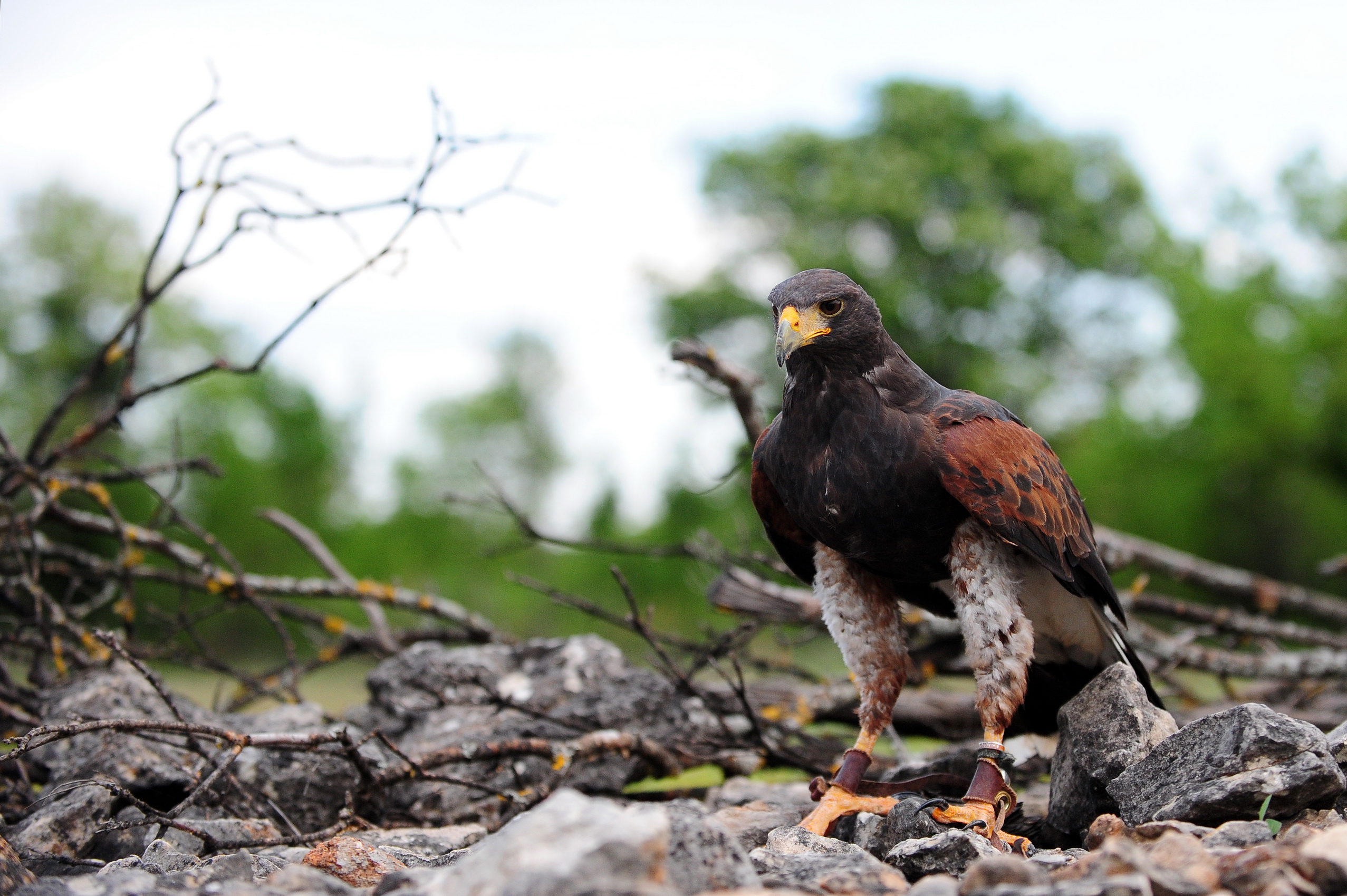
The Art of Falconry
The art of falconry is a traditional practice involving the training and care of birds of prey. Through training, birds are taught to hunt in their natural environment, targeting small game such as rabbits and pheasants. The birds must be socialized to become accustomed to humans, moving in groups, and hunting alongside hunting dogs. Due to the harmful effects of pesticides, as well as habitat degradation and destruction, their populations are declining. Falconers contribute to their survival through controlled breeding. The only center in Croatia dedicated to falconry and the rehabilitation of birds of prey is the Falconry Center in Dubrava. Dubrava is a small village located just 15 minutes from Šibenik. At the center, you can meet the birds and attend an educational lecture on the importance of birds of prey in our ecosystem. The center is open to individual visitors on weekends, while larger groups should book in advance.
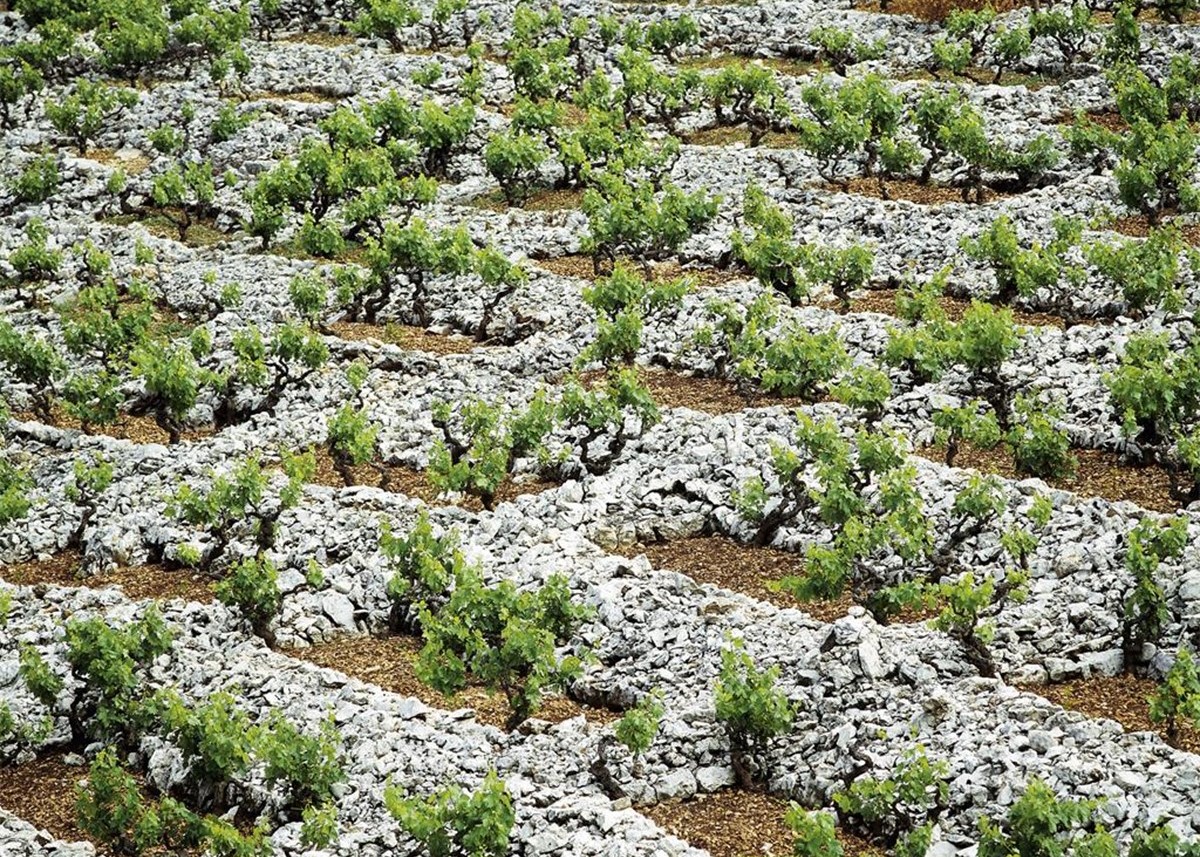
The Art of Dry Stone Walling
The art of dry stone walling is a traditional skill of building stone structures without the use of mortar. A dry stone wall is created by stacking partially worked or unworked stone. When building, it is necessary to select stones that fit perfectly with their neighbors to maintain the stability of the structure. The dry stone technique was used to build retaining walls, defensive walls, paths, various fences, stone huts, and more. The tradition of dry stone construction is passed down from generation to generation. Today, it is practiced less frequently due to the availability of other materials and construction solutions. Dry stone walls are quite prevalent on the island of Prvić. What makes the island special are the "bunje" and "gradine"—small huts made of concentrically stacked stone blocks, which were once used as shelters from bad weather or as dwellings. They have been preserved to this day and can be seen while taking a walk through the fields of Prvić.
The Mediterranean Diet on the Croatian Adriatic, its coast, islands, and parts of the hinterland
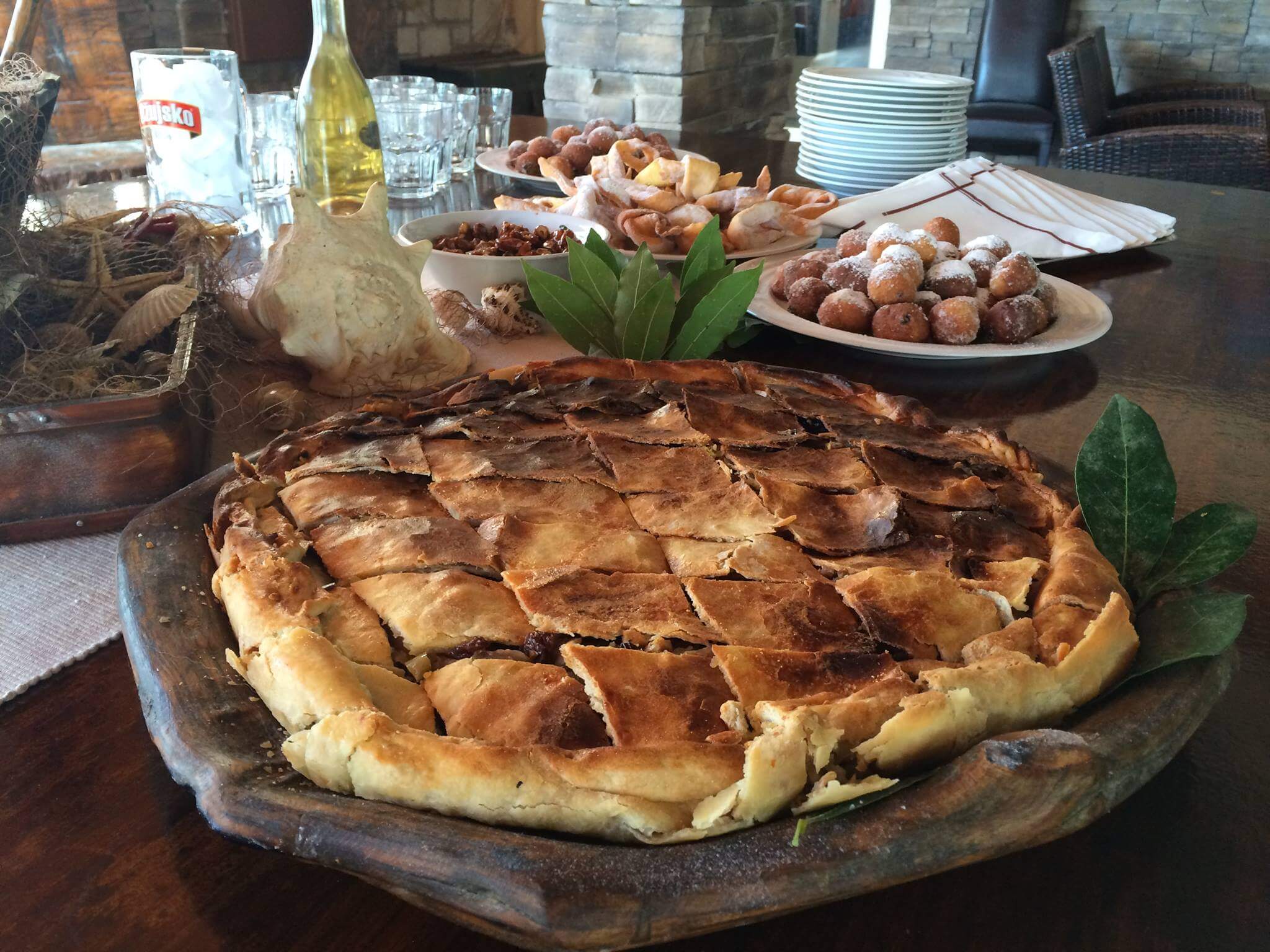
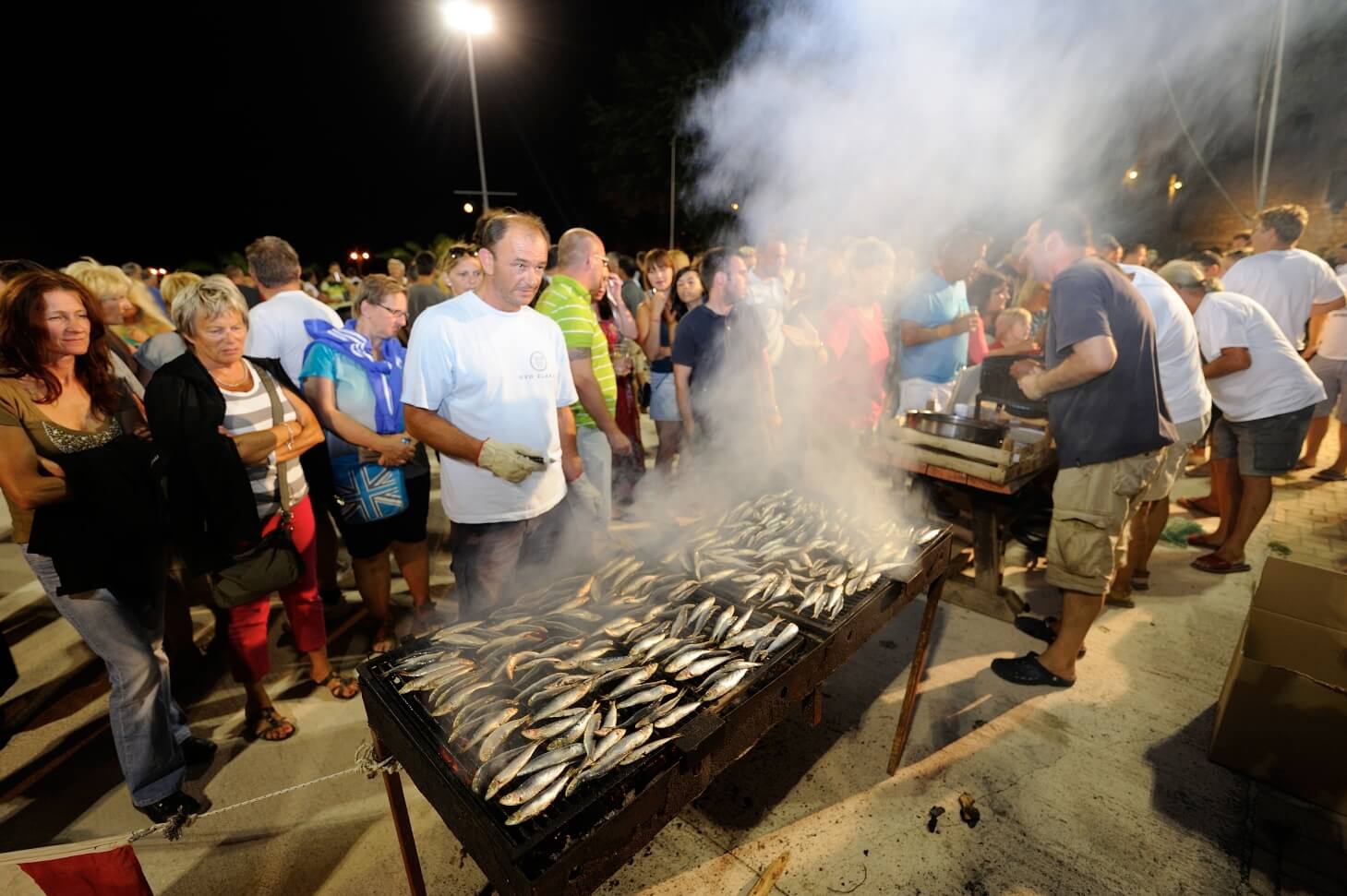
The Mediterranean diet became part of the UNESCO Intangible Cultural Heritage in 2013. Beyond the traditional dishes of the Mediterranean region, the lifestyle of using natural resources in harmony with the rhythm of nature is a key factor of life on the Adriatic. The Mediterranean diet can vary from place to place and can be divided into fishing, farming, and a combination of both (which is the case on the islands). One of the traditional dishes included on the UNESCO list is Soparnik. Soparnik is a specialty made of Swiss chard, local olive oil, garlic, and thin, hand-stretched dough. Traditionally, it is baked on a hearth under embers, and today it is an essential part of every table at celebrations and festivals. In addition to its rich history, the island of Zlarin offers various traditional dishes, including fish dishes prepared with fish caught on the island and seasonal vegetables.