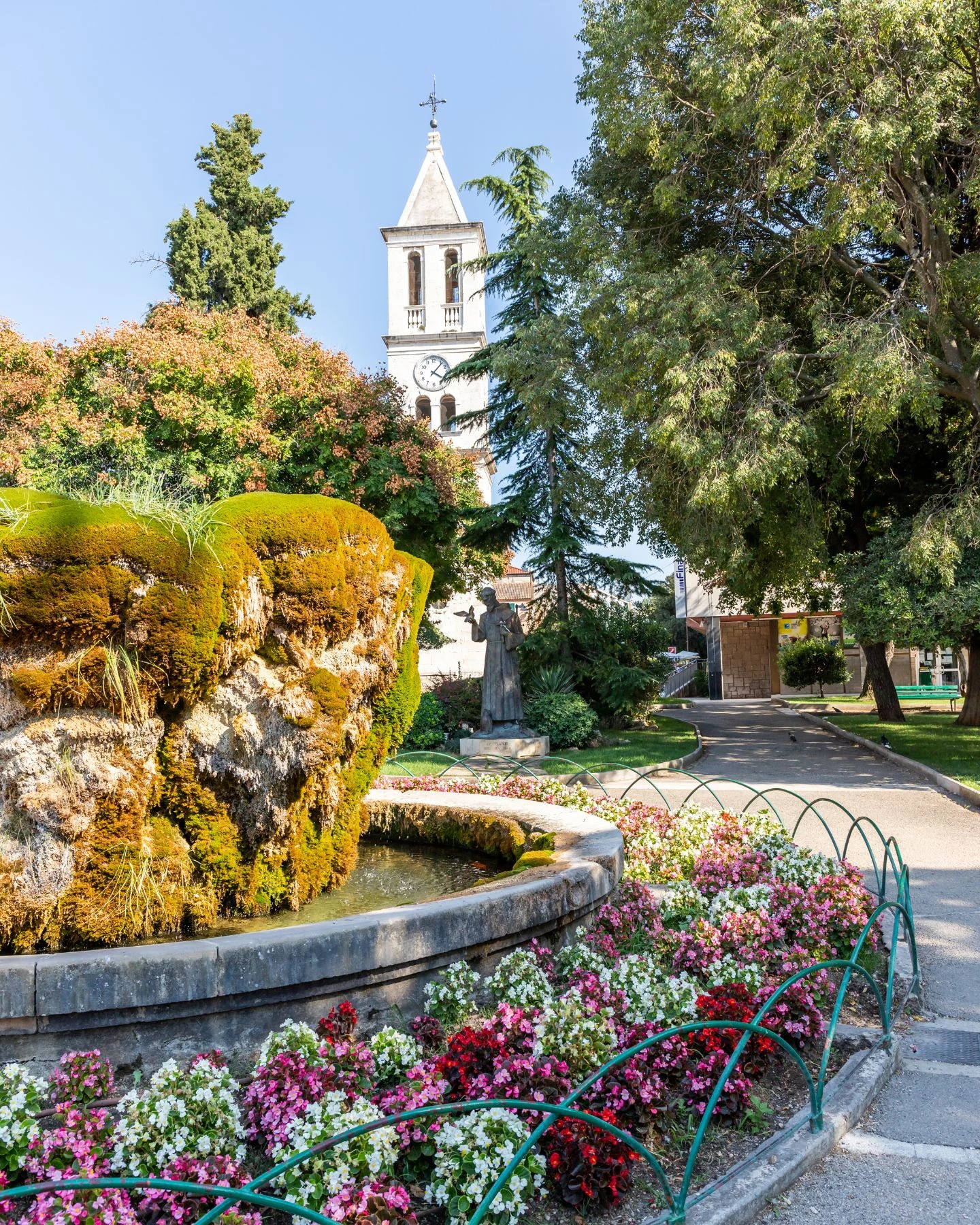
Šibenik was first mentioned on Christmas Day in 1066 in a charter by King Petar Krešimir IV, which is why it is also known as the City of Krešimir
Šibenik was first mentioned on Christmas Day in 1066 in a charter by King Petar Krešimir IV, which is why it is also known as the City of Krešimir. It was founded by Croats over a thousand years ago, making it the oldest native Croatian city on the Adriatic.
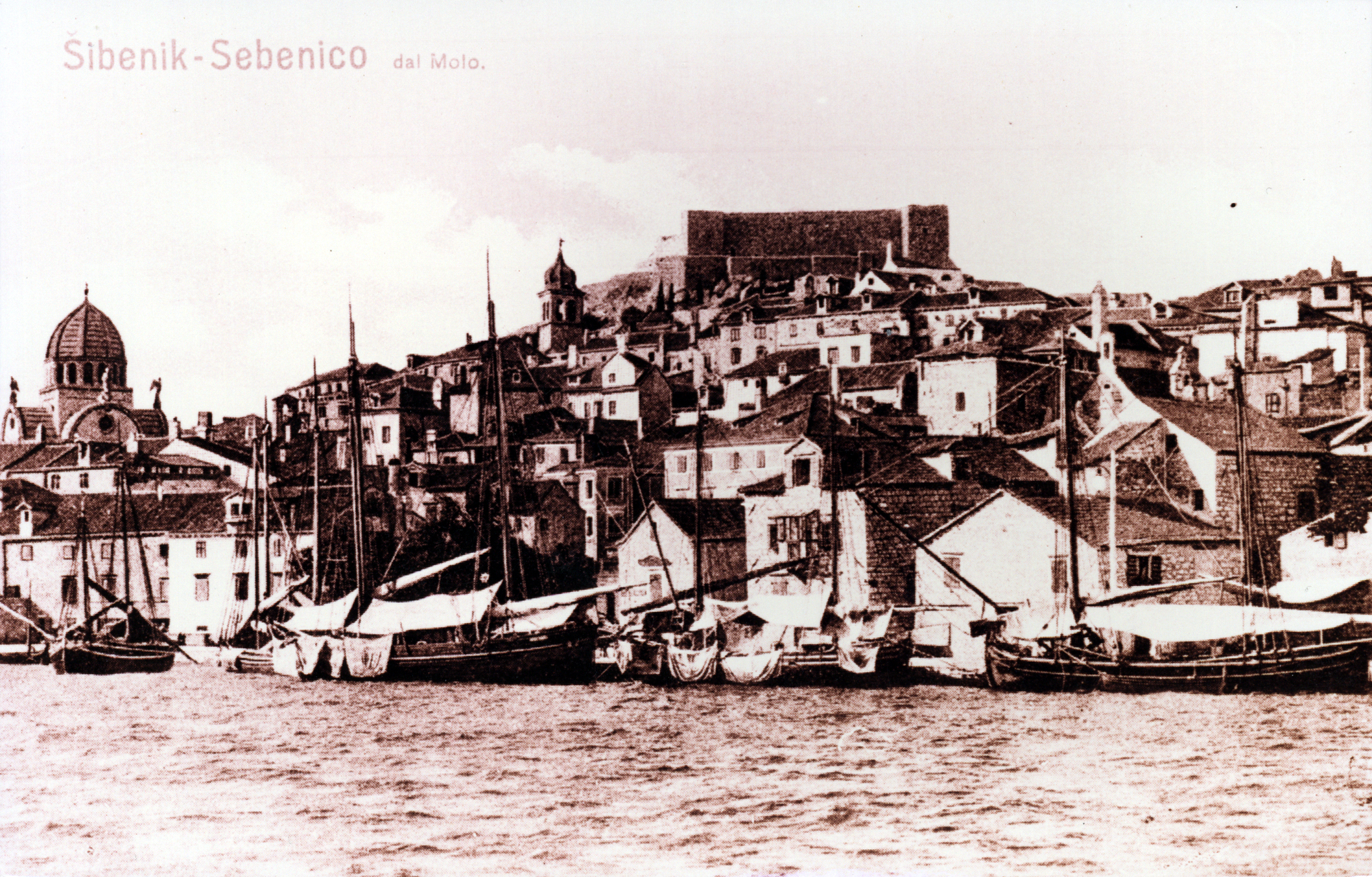
It began to develop from a settlement beneath St. Michael's Fortress, which rises on a steep cliff above the city. It was granted city status in 1169.
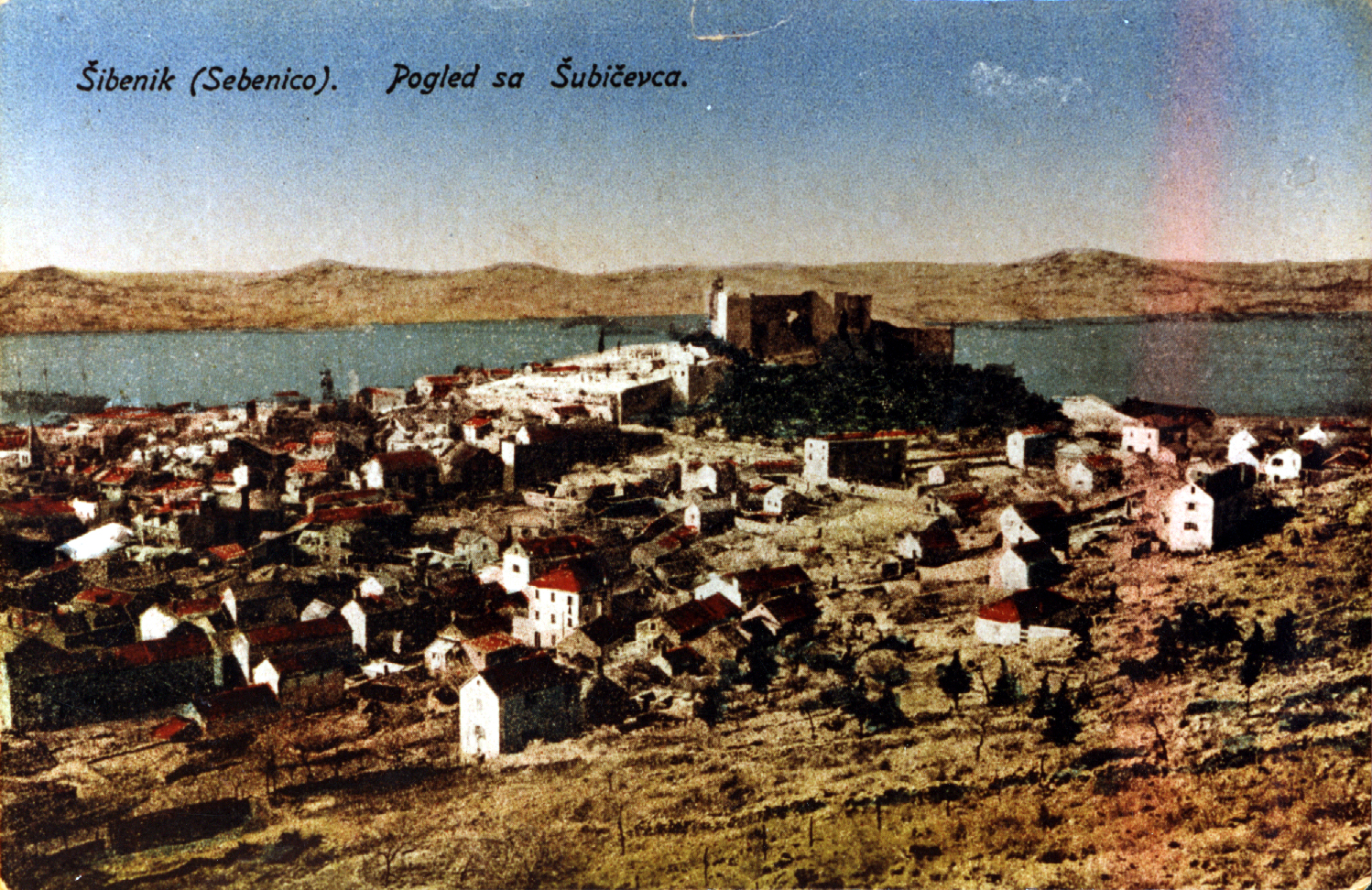
After Dalmatia was sold to the Venetians, Šibenik came under Venetian rule in 1412. Due to fierce wars with the Turks, fortification systems were built to defend against the Ottomans. The Battle of Šibenik in 1647 was the largest Ottoman attack on the city.
In the mid-16th century, the plague decimated the city, causing a long period of decline and a slow recovery. Following the fall of Venice in 1797, Šibenik became part of the Habsburg Monarchy, remaining within it until the end of World War I. This was followed by an Italian occupation that lasted until 1921, when the city was annexed to the Kingdom of Serbs, Croats and Slovenes. However, in 1941, Šibenik was reoccupied by the Italians, and after Italy's capitulation in World War II, the Independent State of Croatia (NDH) took formal control. During World War II, the city was bombed by the Allies, during which the City Hall was razed to the ground.
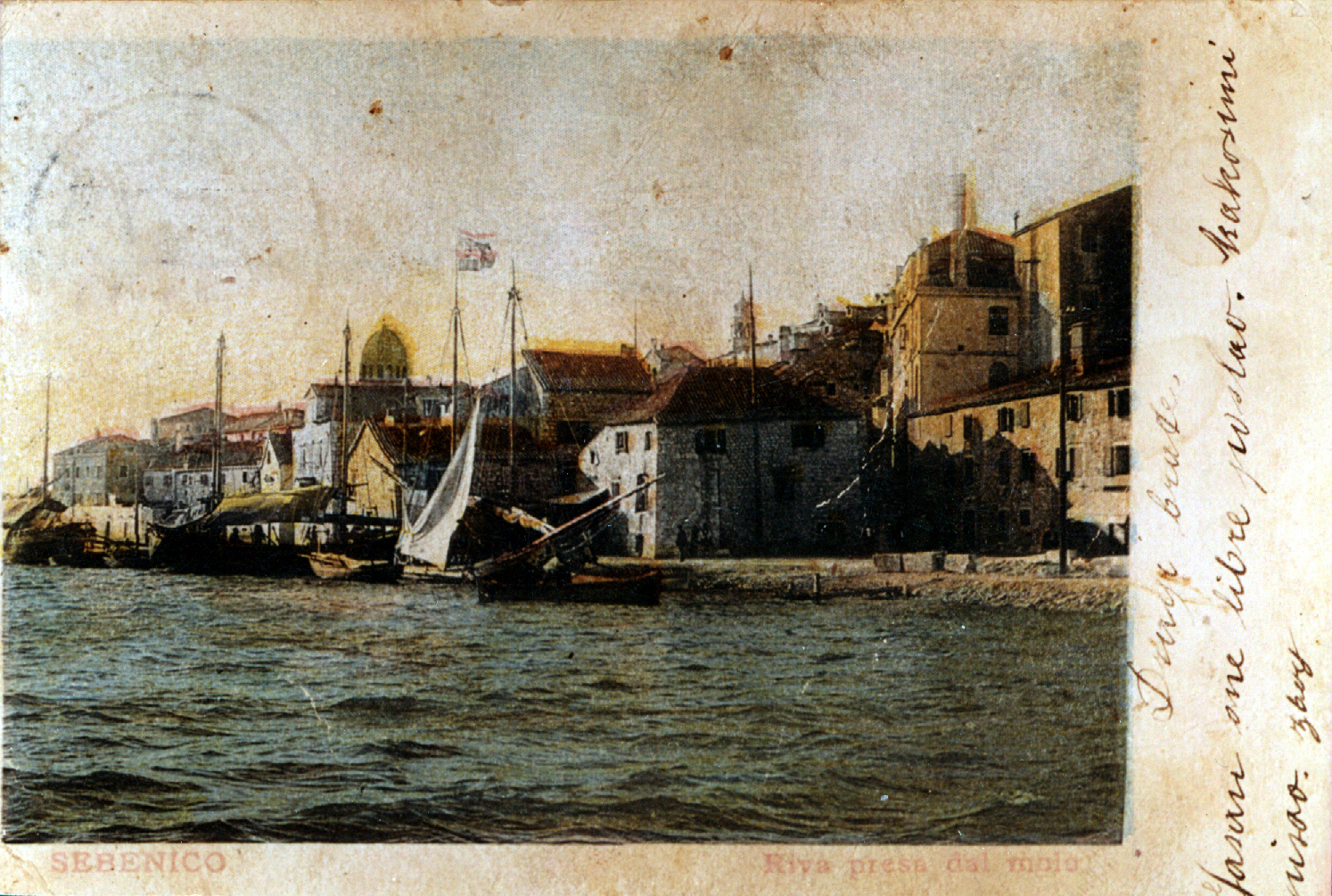
During the era of socialist Yugoslavia, new factories and plants opened in the city, leading to an economic boom, but all of this changed during the Croatian War of Independence in the 1990s. After the war, in which our county made a significant contribution, the city slowly turned toward tourism and is today one of the most attractive tourist destinations in Croatia.