Observing Šibenik from the Krka Pier, looking from right to left, you will simultaneously see the dome of St. James's Cathedral surrounded by the rooftops of the historic center, with St. Michael's Fortress above it, followed by the Šibenik Bridge, Martinska, and the entrance to the St. Anthony Channel.
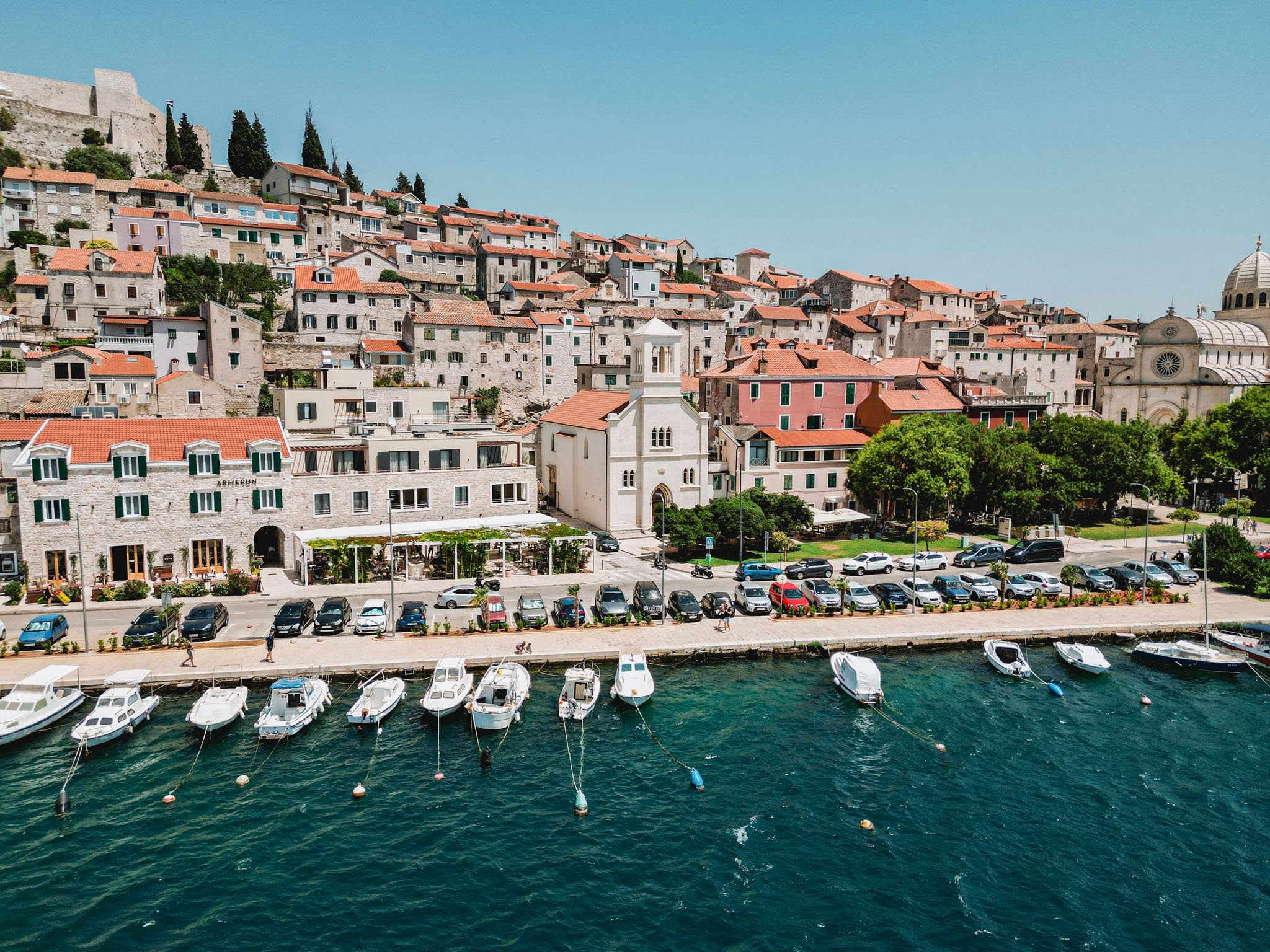
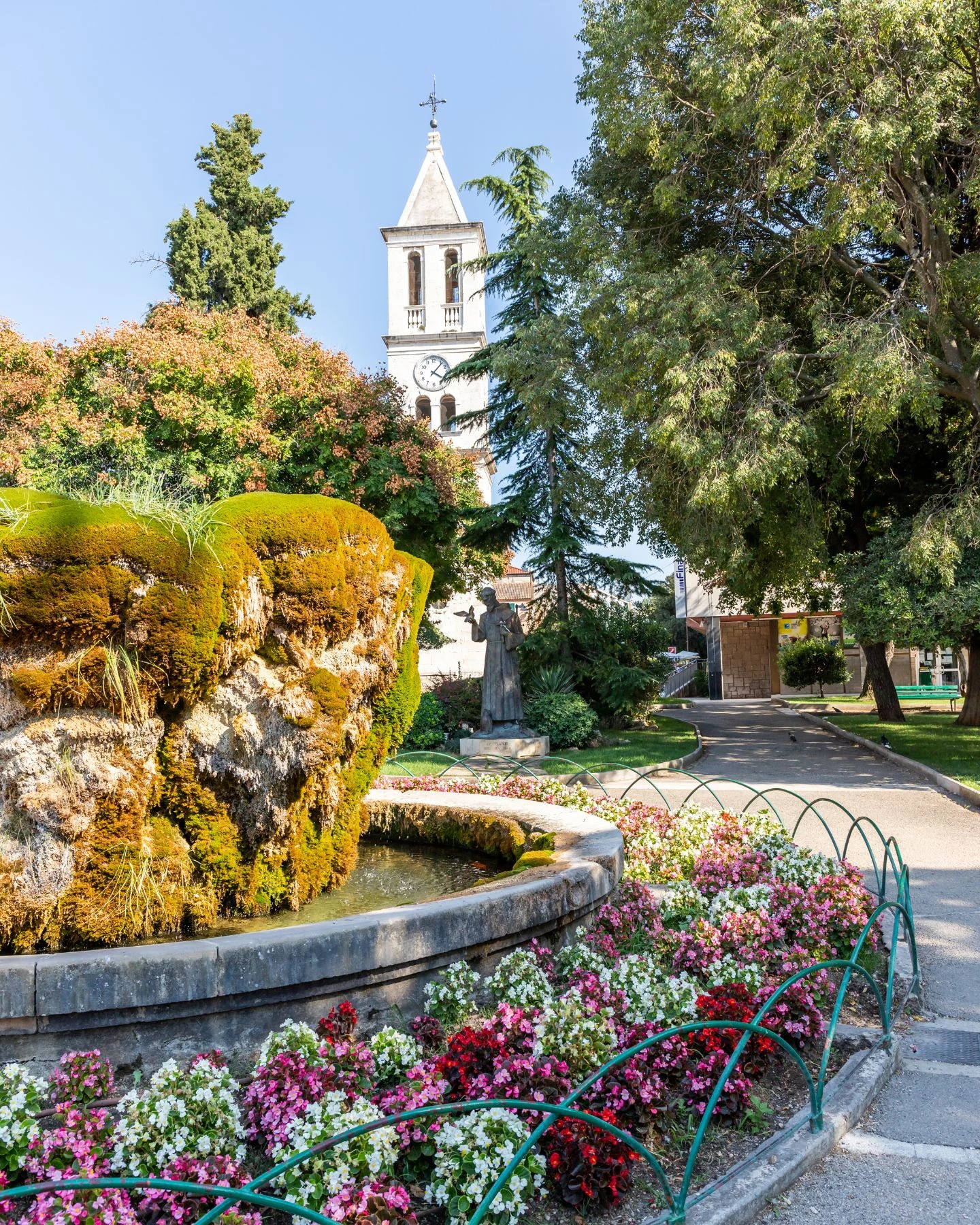
From that same position, but looking from left to right, you will see, above the Krka Pier itself, the complex of the monastery and church of St. Francis, the statue of King Petar Krešimir IV watching you from the entrance to the park, then the golden facade of the Bellevue Hotel, and, hidden within a residential building, the Arsen House of Art. Continuing in that direction, the path leads you to the Bus Station and the Vrulje Pier, where ships for the islands of the Šibenik archipelago dock, and further on to the Šibenik port, where numerous cruise shipsarrive. It is a coastal promenade made up of several individual sections, but when we say waterfront in Šibenik, we usually mean the part that follows the southwestern contours of the historic center – from the Robert Visiani Park and the Krka Pier all the way to Dolac, a former fishing and laboring suburb of Šibenik. In Dolac, the seaside promenade continues past the terraces of numerous cafes and the Dolac Mandroč, along the small harbor with local boats, towards the city beach of Banj.
The Šibenik waterfront gained its present-day appearance in the middle of the last century, when urban planning competitions defined its renovation and new architectural solutions. During the Second World War, Šibenik suffered heavy Allied bombing, and many building blocks were reduced to ruins, including the one surrounding the former Fruit Square in the very center of the waterfront. The main star of the post-war reconstruction was the famous Šibenik architect Ivan Vitić. His modern complex – the Jadran Hotel, the Šibenik cinema, and the County building – frames the newly created Pavle Šubić I Square in the shape of a horseshoe. With this intervention, Vitić blended modern architecture with stone edifices from earlier periods, and you can best observe this unique transition from the waterfront itself, where the Jadran Hotel continues into the Prince's Palace, which houses the Šibenik City Museum. Walking through this part of the waterfront, your attention will also be drawn to the cannons of the Austrian Navy placed in front of one of the old city gates below the Museum – a favorite spot for photos, especially for children. Just a few steps further, above the Bishop's Palace, rises the pride and joy of Šibenik – St. James's Cathedral, a UNESCO attraction.
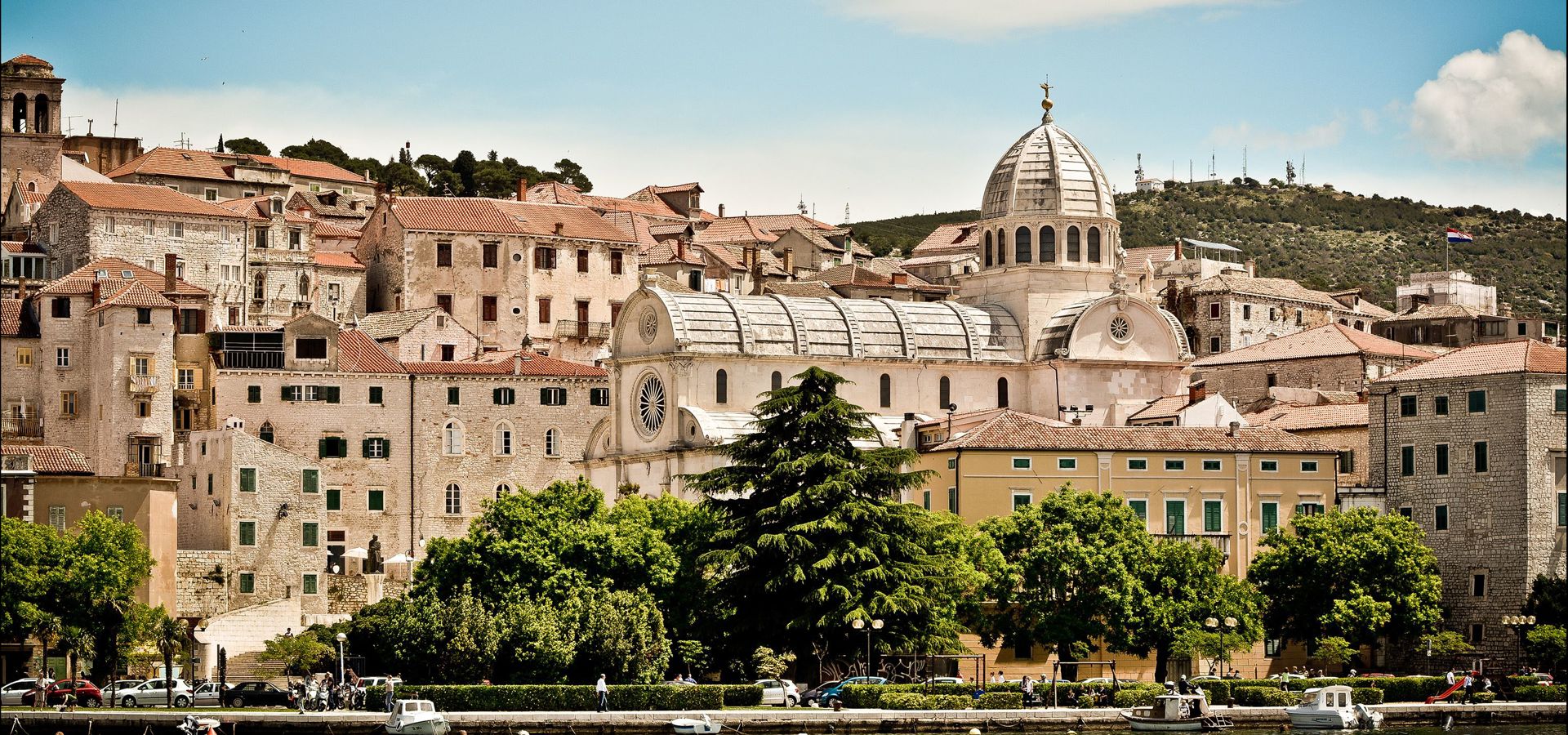
From the waterfront, you can climb the winding stone staircase to reach it and start exploring the historic center, or stay below and duck into the interior of the former city cistern, the Four Wells, which now houses the Azimut club.
Besides being a favorite promenade, the waterfront is a place for meeting and socializing, as locals drink their coffee in the numerous cafes that line most of its length in every season, even in winter, because it is sunny and well-protected from the bora wind. Several restaurants offering Dalmatian and Mediterranean cuisine, which are also open year-round, have found their place here as well. The waterfront handles the car traffic necessary for daily life and work.
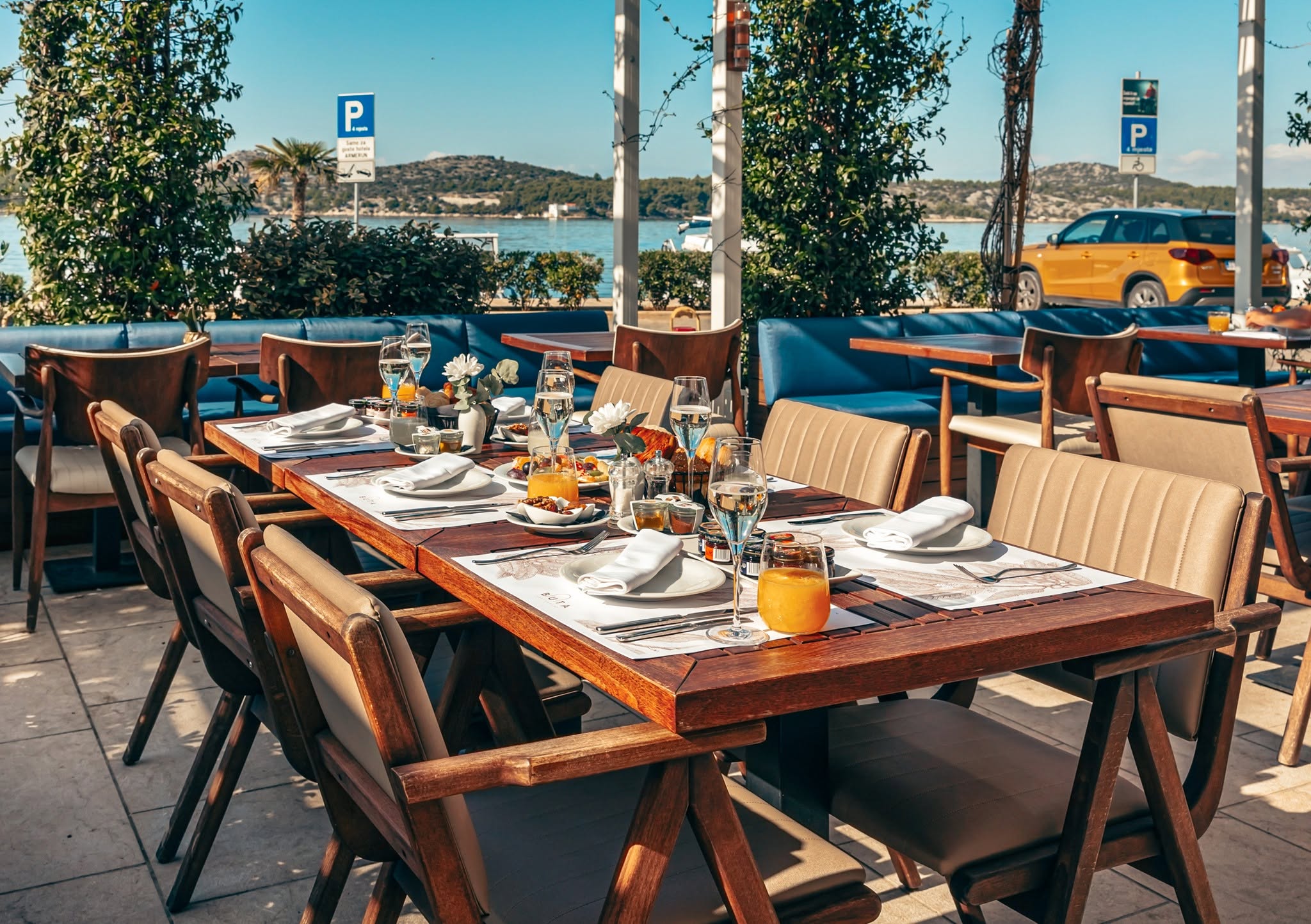
However, on both sides of the road, there are pedestrian zones – the inner one with hospitality venues and other amenities, and the outer one with benches and a children's playground, from where boat trips to St. Nicholas Fortress, Krka and Kornati National Parks depart, and where sailors moor their vessels.
The Šibenik waterfront comes especially alive, as does the city itself, during the International Children's Festival. But it is also lively in winter during Advent, as well as throughout the year when its various parts host events such as the Croatian Travel Festival, the Medieval Fair, Light is Life, and many others.