.svg)

From Renaissance builders and scientists to prominent writers and opera divas, their works have left an indelible mark on Croatian and European history
Scientists, polymaths, and innovators
"For centuries, Šibenik minds have pushed the boundaries of the possible, leaving behind the first dictionaries, epochal botanical works, and revolutionary methods that changed the world."
Faust Vrančić (1551–1617)
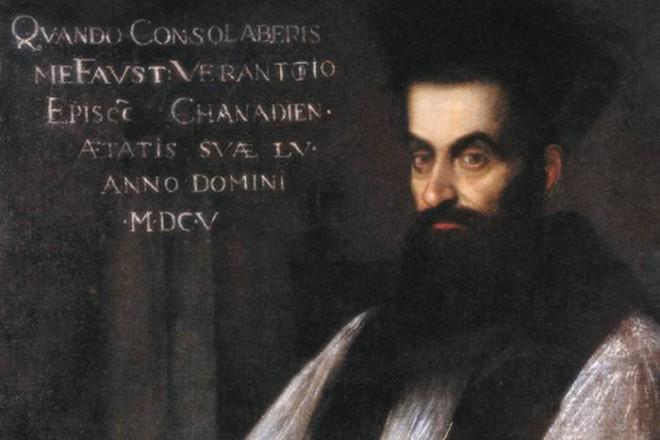
Faust Vrančić was a Croatian polymath, lexicographer, and inventor, born into a prominent Šibenik family in 1551. After completing his education in Italy and serving at the court of Emperor Rudolf II in Prague, he dedicated himself to the clergy and scientific research. His most significant works gained worldwide fame during his lifetime. His 1595 "Dictionarium" was the first-ever Croatian dictionary, proving immensely important for the development of the Croatian language, while his book "New Machines" (Machinae novae) introduced 56 different technical designs. Among them, the Flying Man (Homo volans)—a parachute design for which he is best known—stands out. He is buried in the Church of St. Mary of Grace in Prvić Luka, where a memorial center dedicated to him is located today.
Robert Visiani (1800–1878)
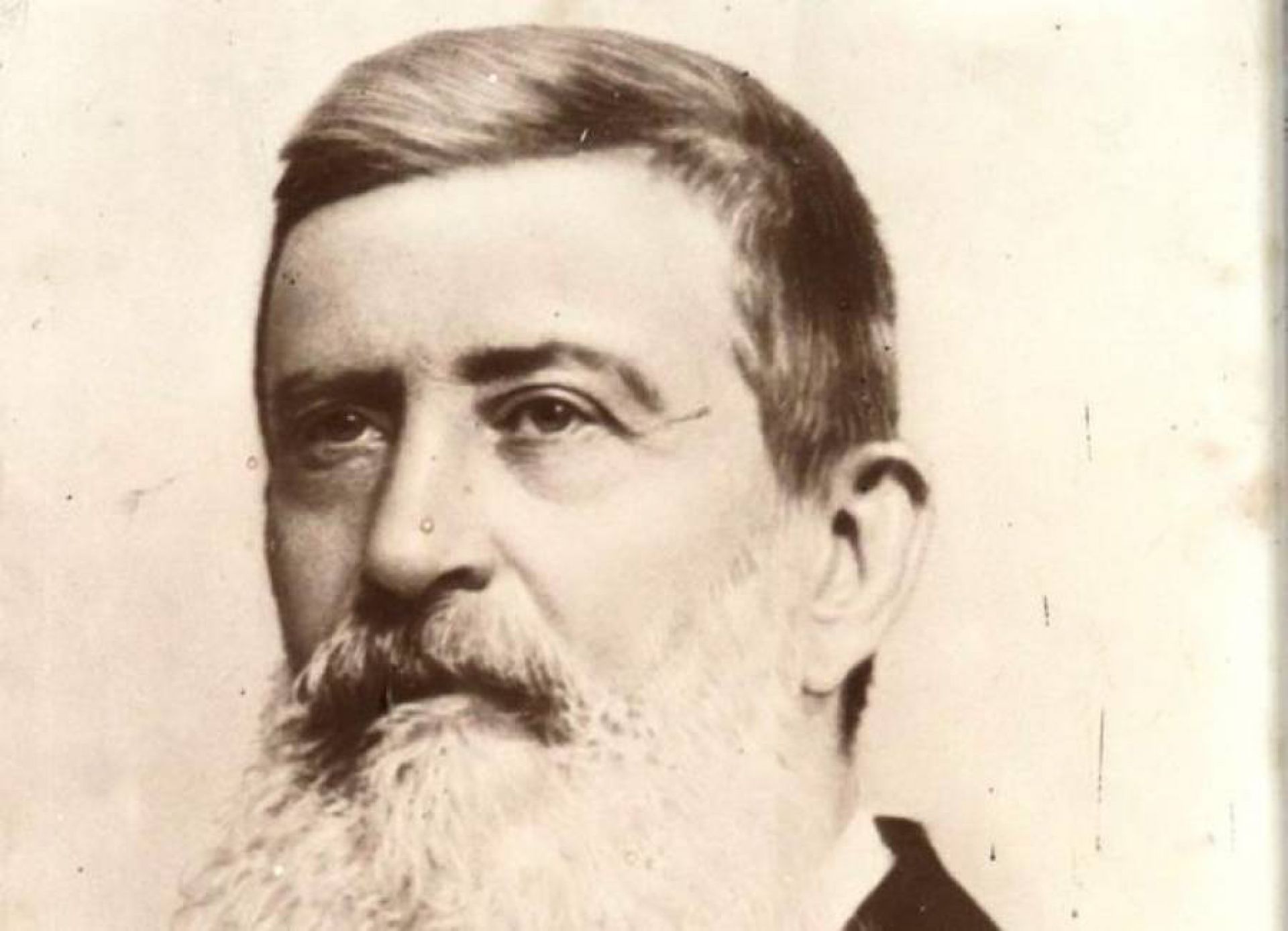
Robert Visiani was a distinguished Croatian physician, botanist, and long-time professor at the University of Padua. Born in Šibenik on April 9, 1800, he studied medicine in Padua before working as a physician in Kotor, Drniš, and Budva, using his time there to research local flora. His life's work, *Flora Dalmatica*, published in three volumes with supplements, remains the most comprehensive monograph on Croatian flora, documenting over 2,700 species. He described approximately 80 new plant species, either alone or in collaboration, many of which were named after him. In accordance with his final wishes, his remains were transferred from Padua and interred at the St. Anne cemetery in Šibenik.
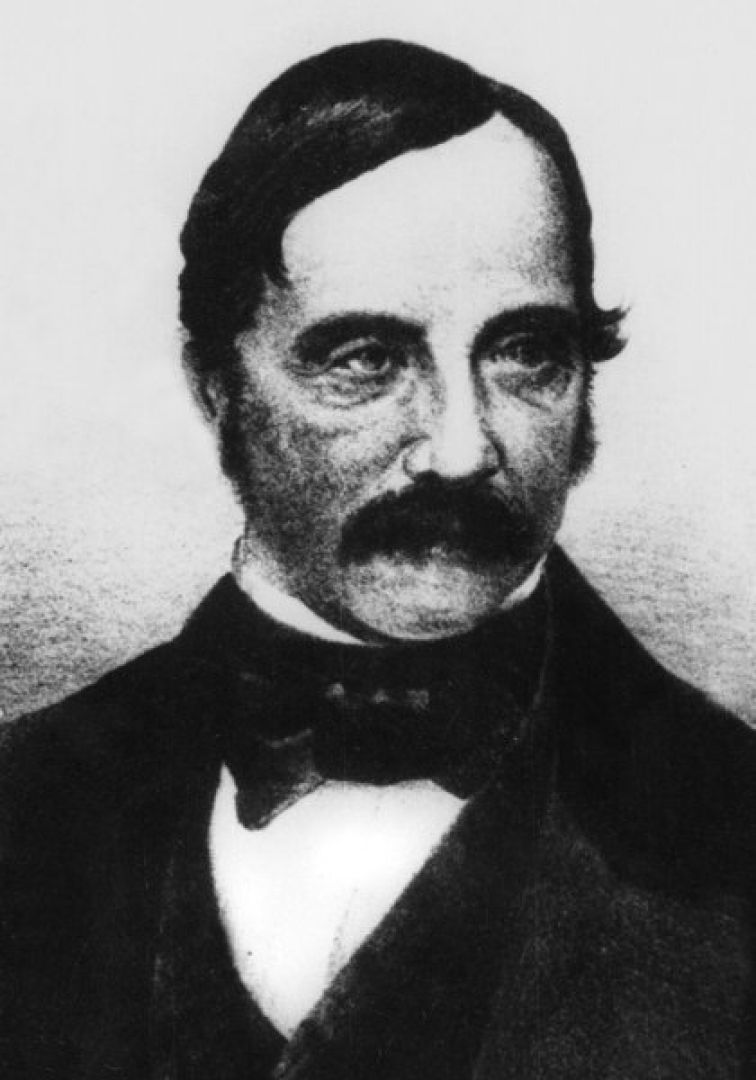
Petar Guberina (1913–2005)
Petar Guberina was a distinguished Croatian linguist, phonetician, and full member of the Croatian Academy of Sciences and Arts, whose work left a profound mark on global science. He was born on May 22, 1913, into a farming family in the Dolac district of Šibenik, where he completed his classical gymnasium education before continuing his studies in Zagreb and at the Sorbonne in Paris. He is best remembered for his universal listening system and the Verbotonal method for the rehabilitation of hearing and speech, which has spread across all continents. He founded the Institute of Phonetics at the Faculty of Humanities and Social Sciences in Zagreb and established the SUVAG Polyclinic, for which he developed a specialized device known as the SUVAG apparatus.
Masters of words, music, and art
"From the first printed verses and Renaissance motets to the opera stages of Milan and Verona, Šibenik's talent has resonated far beyond the city walls."
Juraj Šižgorić (c. 1445–1509)
Juraj Šižgorić was a Croatian humanist poet and historian, known as the author of the oldest Croatian poetic incunabulum. Born in Šibenik around 1445 into a prominent noble family, he returned to his hometown after studying law in Padua, where he served as a priest and vicar general. His most famous work, the collection *Three Books of Elegies and Lyric Poems* (Elegiarum et carminum libri tres), was printed in Venice in 1477. Drawing on classical heritage, his verses addressed nature and the Ottoman invasions, with a special focus on Šibenik. Today, the Šibenik City Library bears his name.
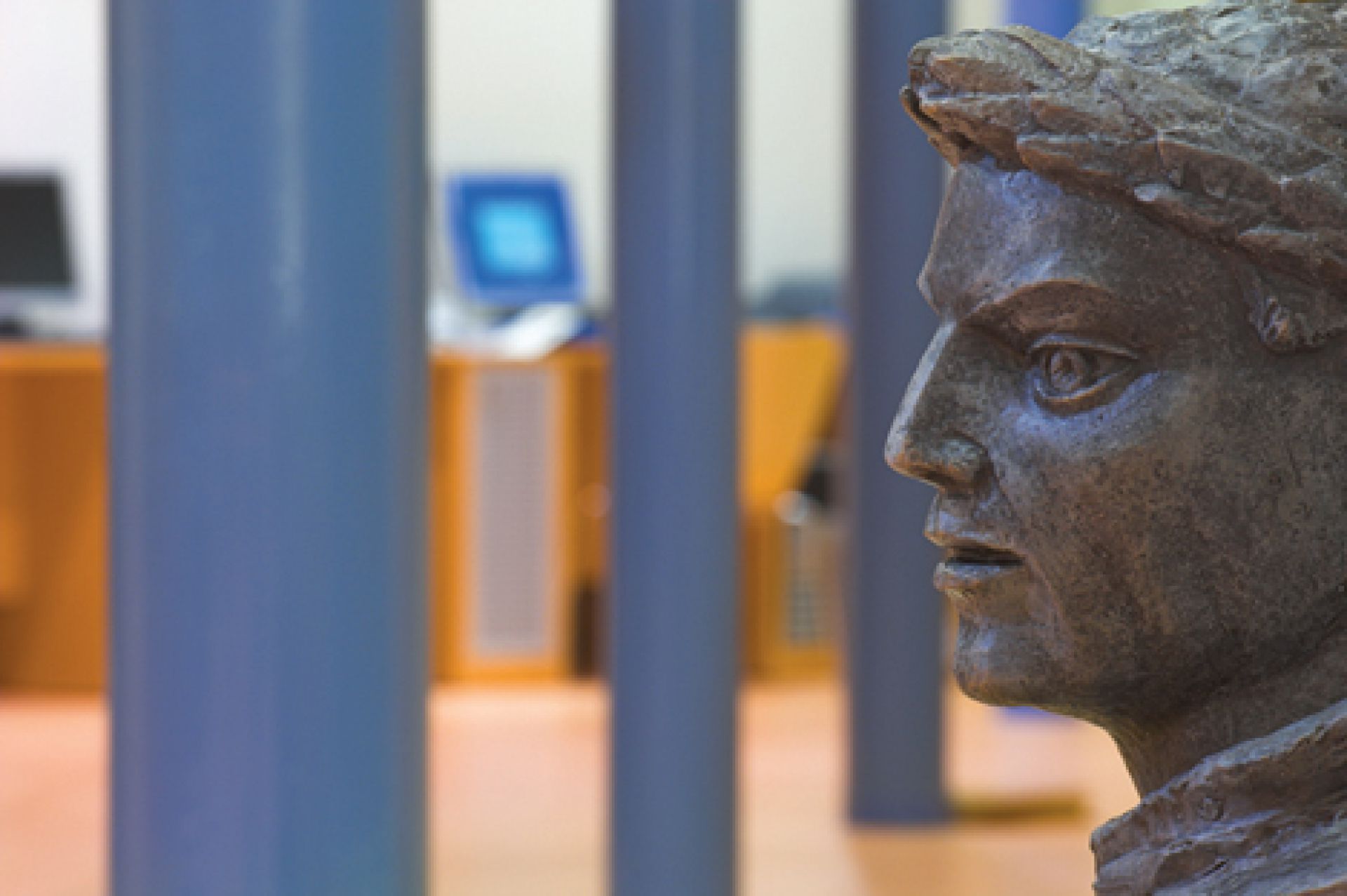
Ivan Marko Lukačić (1587–1648)
Ivan Marko Lukačić was a Croatian composer and organist, recognized as the most significant Croatian musician of his time. Baptized in Šibenik in 1587, he joined the Order of Friars Minor Conventual and received his musical and theological education in Italy. He worked in his hometown and in Split, where for nearly thirty years he served as the guardian of the Monastery of St. Francis and as the music director of the cathedral. He left behind a collection of motets titled *Sacred Songs* (Sacrae cantiones), printed in 1620 in Venice. His introduction of the early Baroque monodic style marked a pivotal breakthrough in Croatian music.
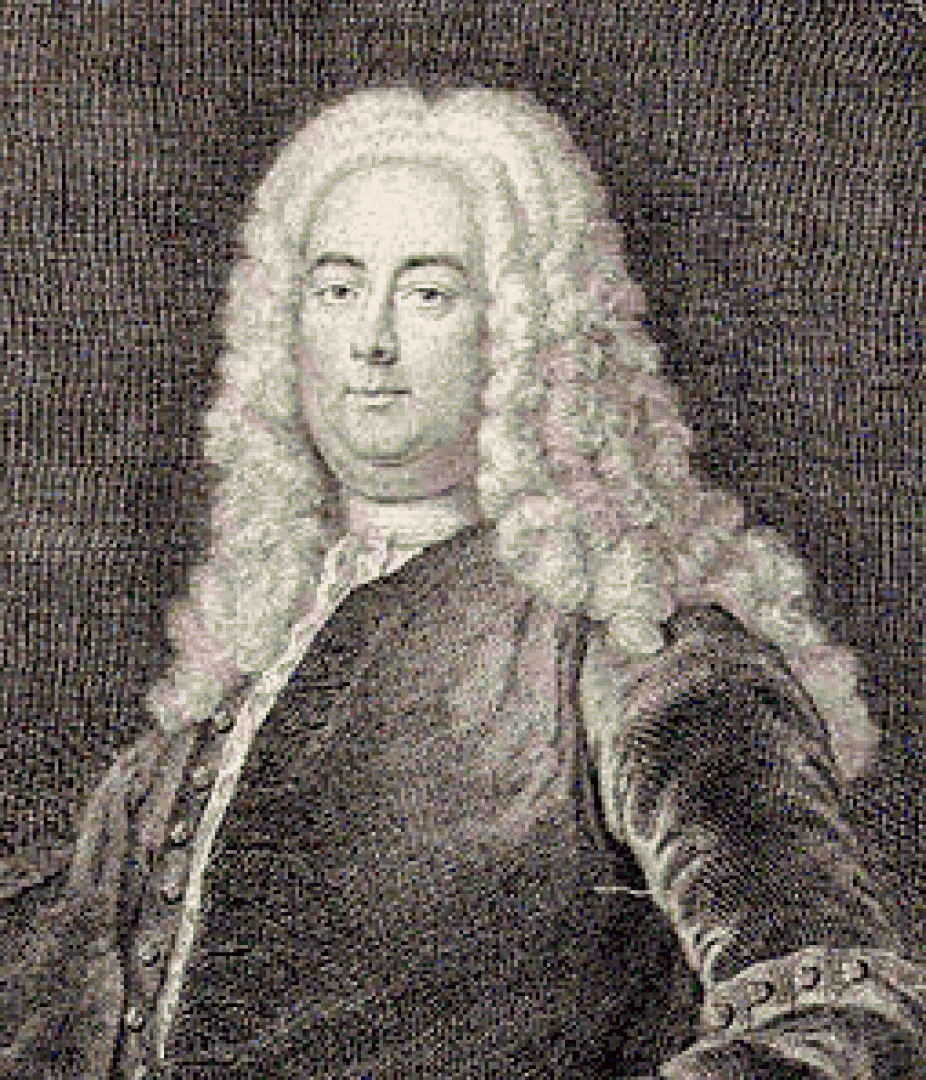
Niccolò Tommaseo (1802–1874)
Niccolò Tommaseo was an Italian writer, linguist, and politician, and a central figure in 19th-century Dalmatian literary life. He was born in Šibenik on October 9, 1802, into a merchant family; his childhood home is located across from the Church of St. Francis. Although he completed his law studies in Padua and spent most of his life in Italy, he visited his homeland several times and wrote in the Croatian language, including his most famous work, *Iskrice* (Sparks, 1844). In politics, he advocated for the autonomy of Dalmatia and equality between Italians and Slavs, and throughout his life, he worked as a lexicographer, publishing major dictionaries of the Italian language.
Julije Skjavetić (1520s/30s–unknown)
Julije Skjavetić (Giulio Schiavetti) was a Croatian composer, widely considered the greatest Croatian Renaissance composer. It is believed he was born in Šibenik in the 1520s or 1530s. During the 1560s, he served the Bishop of Šibenik, Girolamo Savorgnan, and accompanied him to the Council of Trent. He was a versatile musician who composed both sacred and secular music with equal skill, and a total of 47 of his works are known today. All of his works were printed in Venice between 1562 and 1564, and his masterful motet *Pater noster* (Our Father) stands as a testament to his exceptional skill in the polyphonic style.
Ester Mazzoleni (1883–1982)
Ester Mazzoleni was one of the greatest Italian dramatic sopranos, credited with the revival of early Italian bel canto and the works of Giuseppe Verdi. She was born in Šibenik on March 12, 1883, and performed at the Šibenik theater at a very young age, where her uncle, Francesco Mazzoleni, was a major benefactor. In early 1906, she went to Milan to study painting, but a chance encounter led to an opera engagement. She achieved great triumphs at La Scala under the baton of Arturo Toscanini, and she will be remembered in opera history as the protagonist of *Aida*, which inaugurated the opera performances at the Verona Arena in 1913.
Builders, Visionaries, and Diplomats
"From the stone heads on the cathedral to the organs that still play today, Šibenik's builders have left behind works that outlive the centuries."
Juraj Matvejev Dalmatinac (early 15th century – 1473)
Juraj Dalmatinac was a sculptor and architect, credited with founding the Šibenik school of architecture and recognized as one of the greatest masters of the early European Renaissance. Although born in Zadar, his life was inextricably linked to Šibenik, where he moved in 1441 after signing a contract as the master builder of St. James's Cathedral. His work on the cathedral is marked by an innovative prefabricated construction technique, most notably the famous series of 71 human heads on the exterior of the apse. In Šibenik, he also served as a consultant for the construction of the city walls and the Great Cistern.
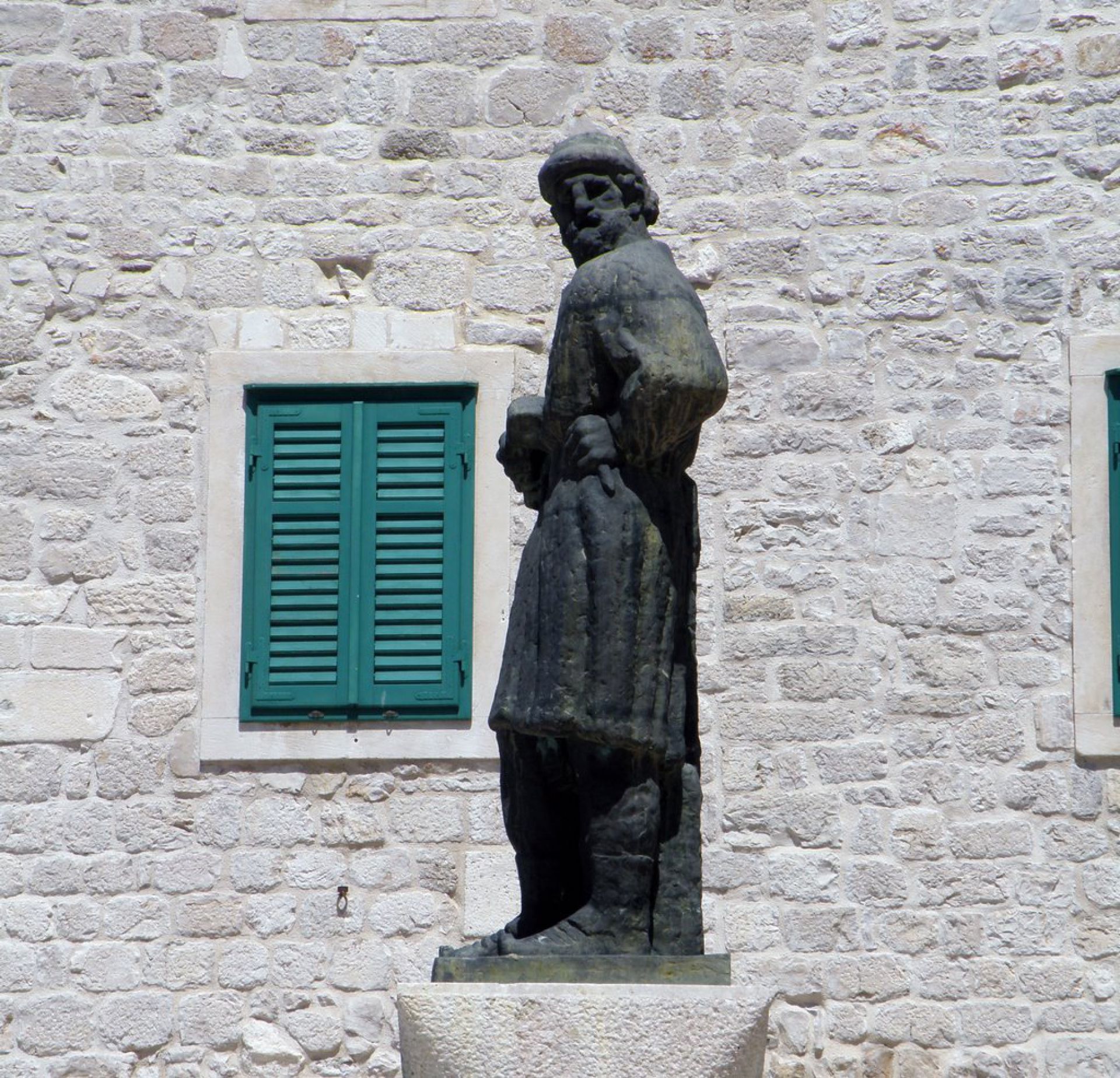
St. Nicholas Tavelić (c. 1340 – 1391)
Saint Nicholas Tavelić was a Franciscan friar and missionary, notable as the first Croat to be canonized by the entire Catholic Church. Born into a prominent noble family in Šibenik around 1340, he joined the Franciscan order in his hometown. After twelve years of service in Bosnia, he traveled to the Holy Land, where he cared for the sick, the poor, and pilgrims in Jerusalem. His zeal for preaching led him to the Mosque of Omar in 1391, where he publicly spoke about Christian doctrine, for which he was martyred. Pope Paul VI canonized him in 1970.
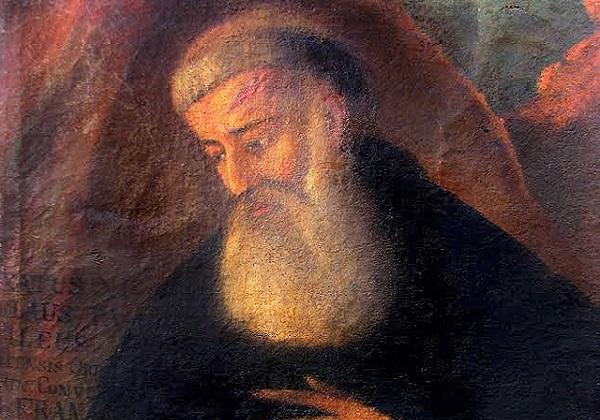
Antun Vrančić (1504 – 1573)
Antun Vrančić was a Croatian church prelate, diplomat, writer, and humanist, ranking among the most prominent figures in 16th-century Croatian history. Born into a distinguished Šibenik family on May 29, 1504, he went abroad as a young man to study in Hungary, Padua, Vienna, and Krakow. He carried out diplomatic missions in leading European states and spent years as a negotiator in Constantinople with Sultan Suleiman. He corresponded with prominent European humanists and rose through the church hierarchy to become the Archbishop of Esztergom and Primate of Hungary.
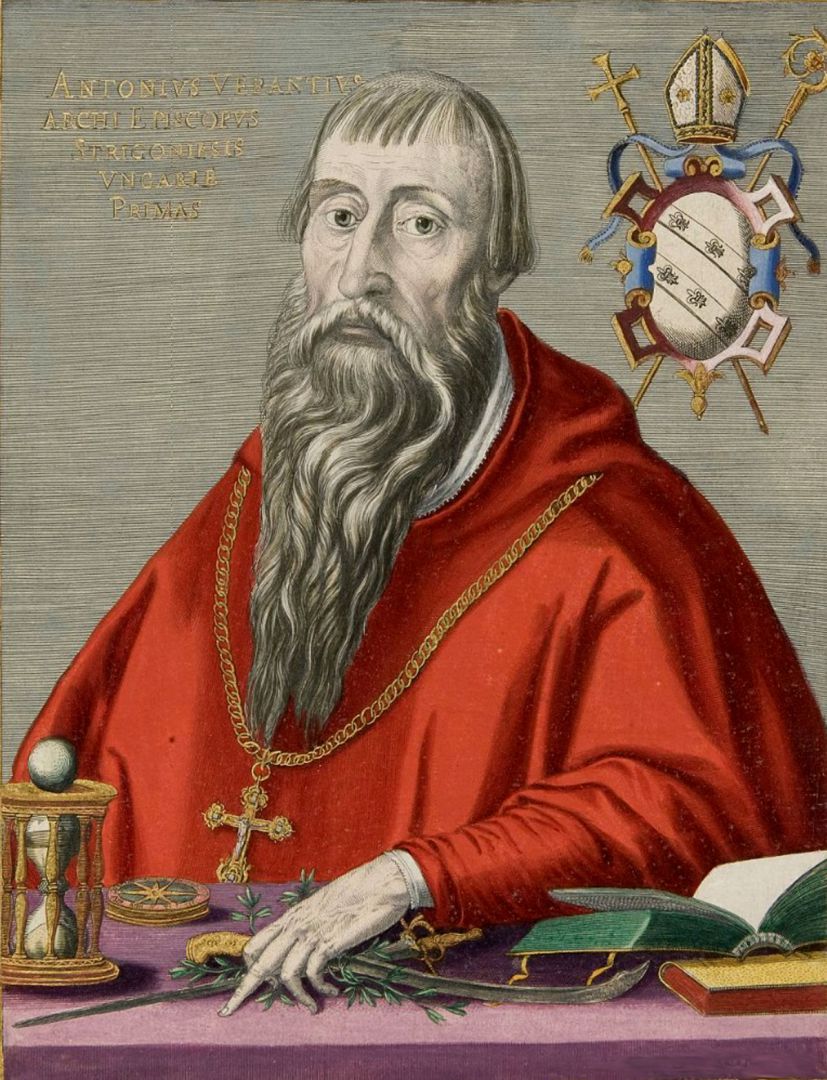
Petar Nakić (1694 – c. 1769)
Petar Nakić was the leading organ builder in the Republic of Venice and one of the most important representatives of the Croatian late Baroque and early Classical periods. Born in the vicinity of Šibenik in 1694, he completed his apprenticeship in Venice and founded a unique school of organ building. Together with members of his workshop, he built hundreds of instruments throughout northern Italy and Dalmatia. He refined construction techniques and invented the *tiratutti* register, which remains in use today. His greatest known work in Croatia is the organ in the Church of St. Francis in Šibenik, dating from 1762.
Martin Kolunić Roto (c. 1532 – 1582 or 1583)
Martin Kolunić Roto was a prominent Croatian copper engraver and cartographer, ranked among the greatest engravers of the High Renaissance in Europe. Born in Šibenik around 1532, he worked in Rome, Venice, Prague, and Vienna, where he served as the court portraitist to Emperors Maximilian II and Rudolf II. He gained renown for his copper engravings of works by famous contemporaries such as Michelangelo and Titian. His cartographic work from 1570 is of particular significance to Croatia, and his engraving of the Šibenik cityscape is considered one of the most accurate depictions of a Croatian city in the 16th century.