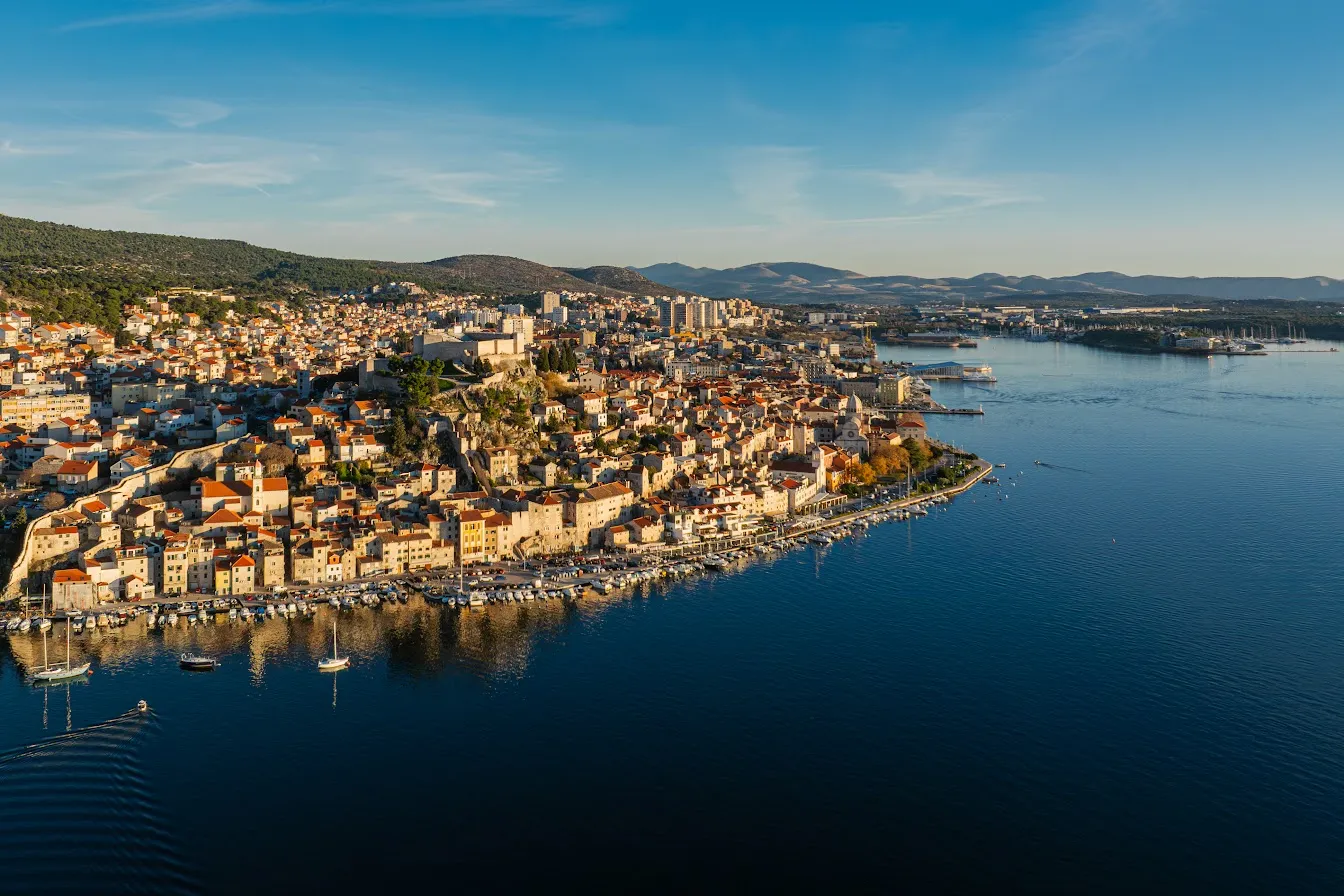
On Christmas Day back in 1066, King Petar Krešimir IV was staying at the St. Michael's Fortress in Šibenik with his entourage. On that occasion, he signed a charter in which the city's name was mentioned for the first time, which is why Šibenik is often called Krešimir's City.
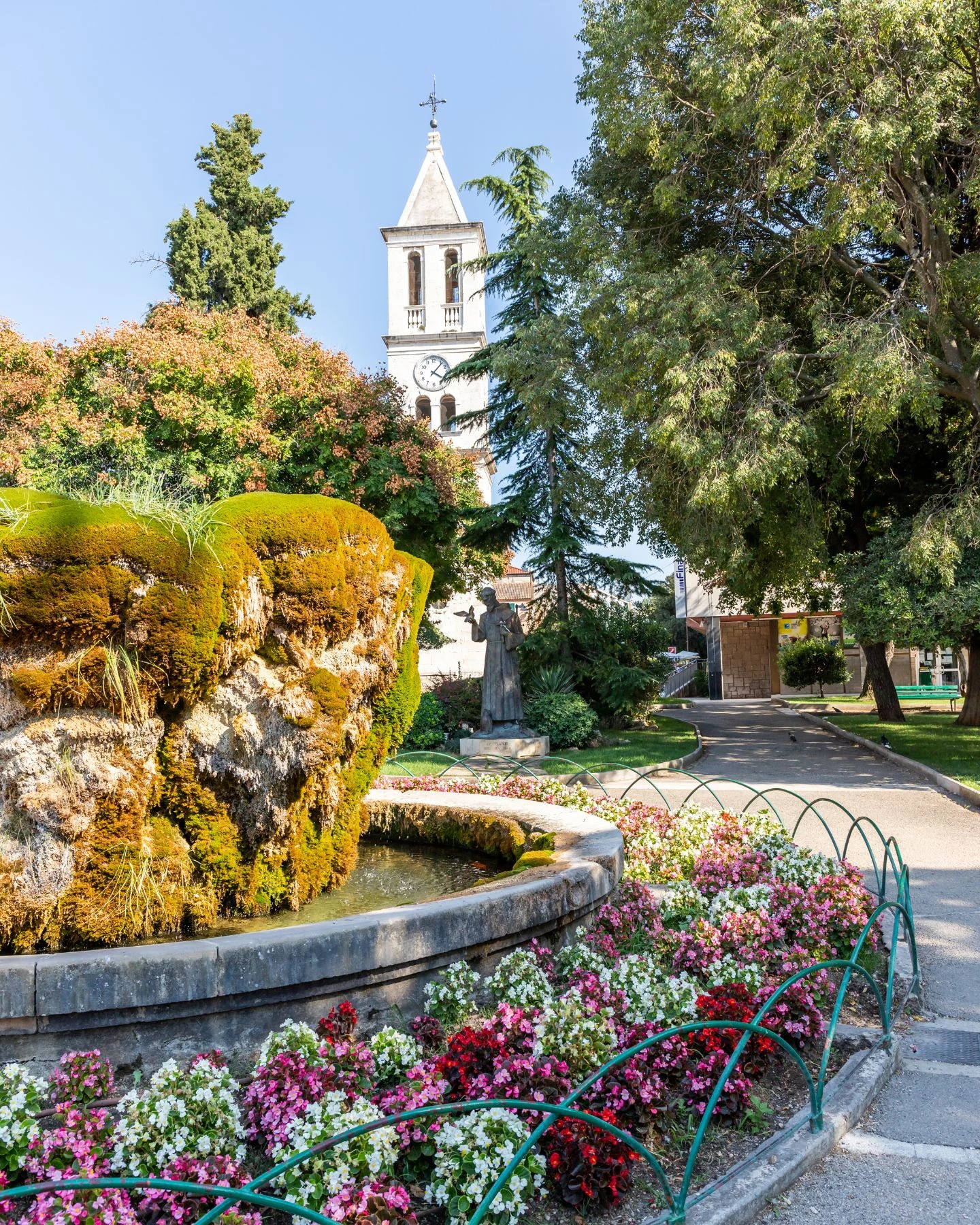
The monument to King Petar Krešimir IV, which the people of Šibenik erected in recent times, bears witness to how much this has become a part of Šibenik's identity and is always highlighted with pride. It is located at the lowest part of Robert Visiani Park, overlooking the sea.
As for the origins of Krešimir's City, unlike most cities on the Croatian coast, it has no Illyrian, Greek, or Roman roots – it was founded by Croats in the early Middle Ages, and is therefore considered the most significant major city of original Croatian origin on our coast. This is also visible in its street network, which does not have the regular structure of Roman cities, but rather its own logic – they were created by adapting to the configuration of the terrain on a steep cliff. Soon, Šibenik grew from a suburb under St. Michael's Fortress into the largest city in Dalmatia (and the people of Šibenik will tell you, the most beautiful one too).
Legend, however, links the origin of Šibenik to pirates for whom the high cliff on which St. Michael's Fortress was built was an ideal stronghold for monitoring the surrounding waters and lying in wait for ships worth plundering. Yet, there is historical truth in this legend, as the people of Šibenik in the High Middle Ages did indeed engage in piracy as a, at that time, almost legitimate activity. In their pirate raids, they even offended the Pope several times by capturing ships with people and cargo precious to him. It is precisely in this defiance, which did not back down even before the Vatican itself, that the roots of today's Šibenik mentality can be glimpsed. That historical spite and uncompromising character have survived the centuries, turning the former pirate boldness into the modern defiance of a city that is not afraid to be itself while proudly guarding its heritage.