What makes this cathedral so special that UNESCO included it on its World Heritage List? The great Croatian inventor and Šibenik native, Faust Vrančić, revealed this to us 400 years ago in his book of inventions, Machinae novae (1615/1616).
"This church is not my discovery, as it was built a hundred and fifty years ago. However, because it is extraordinarily beautiful and unusual in shape, I wanted to include it here among my new discoveries as an ornament to my homeland. Furthermore, because it is made without any timber, it is not roofed with tiles like other churches, but is entirely covered with large stone slabs laid lengthwise, which can be seen from both the inside and the outside. The image will show the rest." Faust was undoubtedly aware of the features that set it apart from the typical buildings of his time, so let us look at those characteristics that UNESCO later recognized:
Beauty
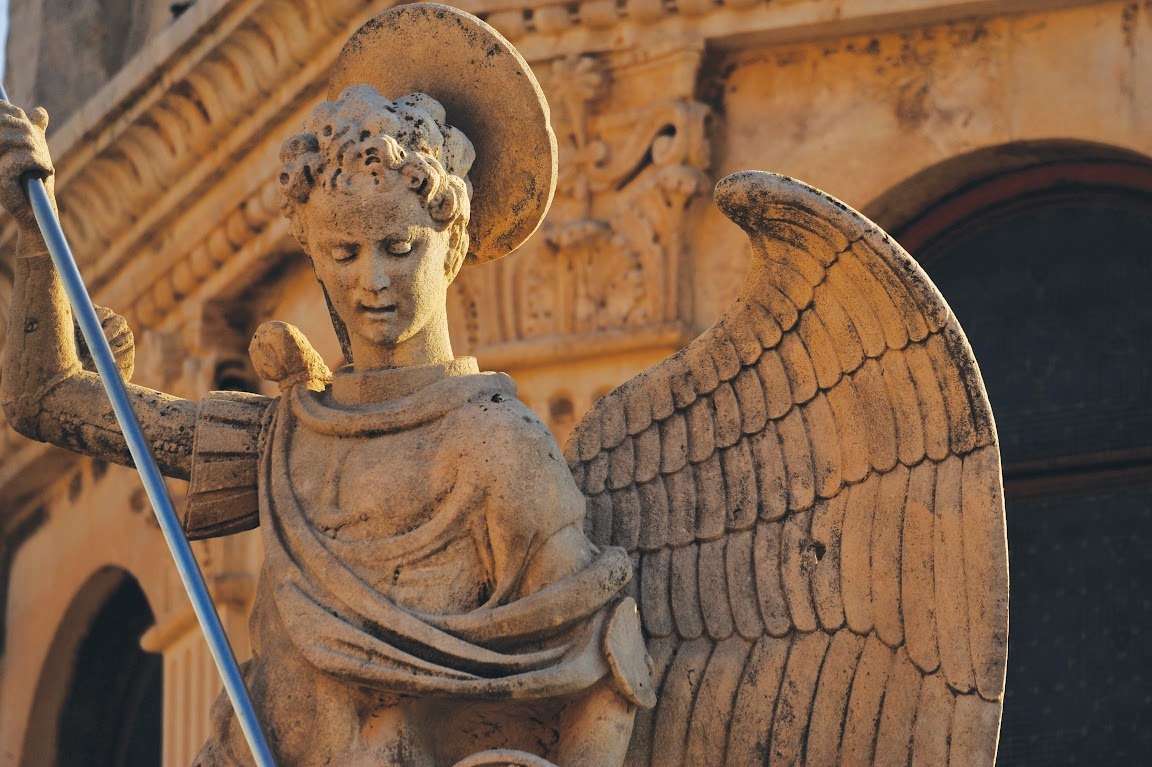
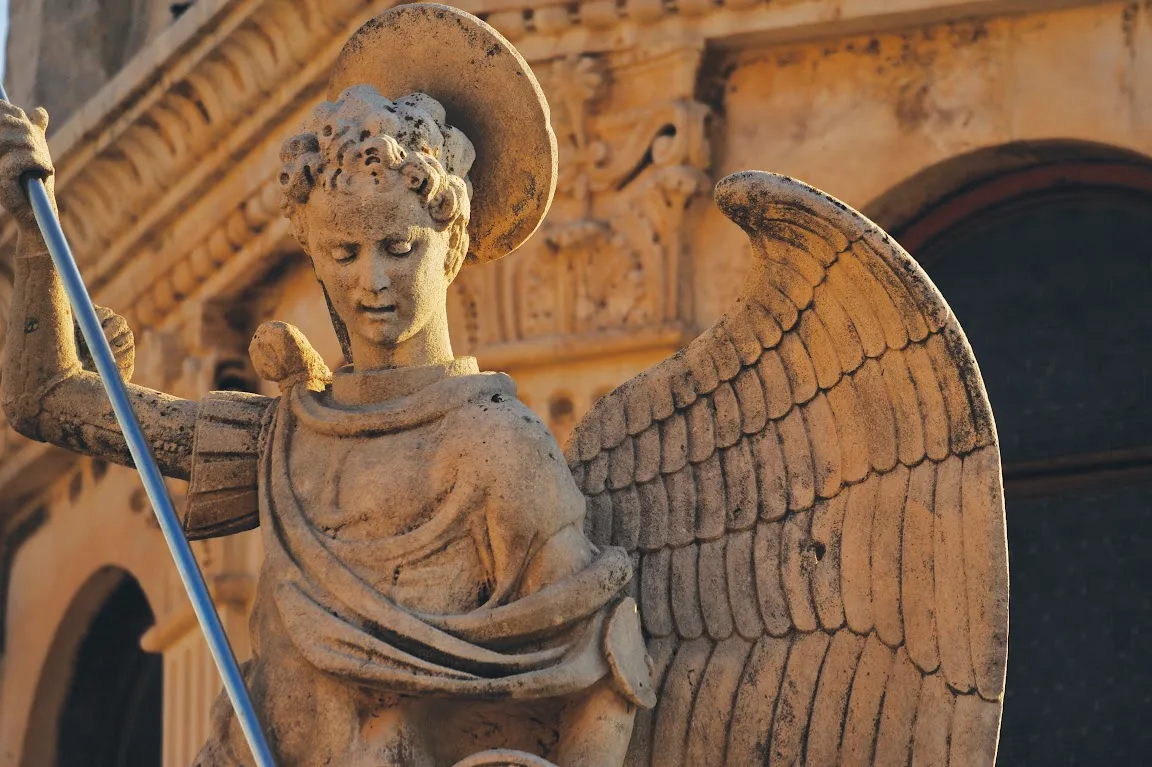
The cathedral owes its beauty to a unique organic blend of two completely different styles – Gothic and Renaissance. Because the cathedral was built over 105 years due to various circumstances, a natural fusion of styles occurred. It is also the place where the Renaissance first appeared in Croatia, thanks to Juraj Dalmatinac, a brilliant master who saved the already-started cathedral from mediocrity by designing unimaginable architectural solutions.
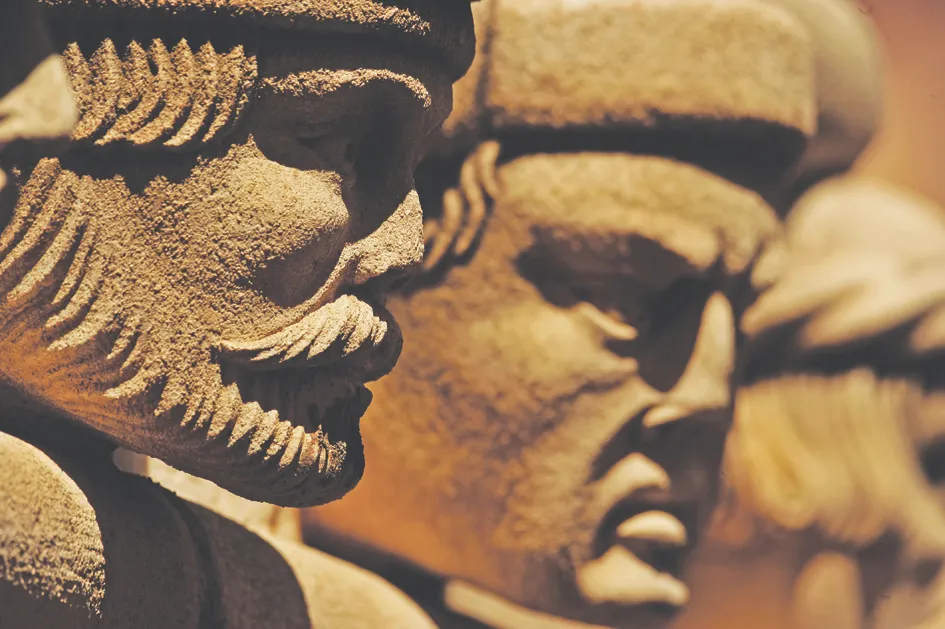
Furthermore, Juraj enriched the cathedral with his masterpieces: a frieze of 71 human and 3 lion heads, and a baptistery located in the very bowels of the cathedral. The frieze of heads is a gallery of original and distinct portraits of people from Juraj's time. Most are men, along with a few female and child faces. Beyond its superb execution, this frieze embodies the spirit of the Renaissance—humanism, where man, as the measure of all things, is placed upon a sacred building. Juraj's heads are not saints looking down from above; rather, through their humanity and their placement at eye level, they are our equals.
By signing his name "Juraj Matejev Dalmatinac" on the apses, Juraj sends us two messages: he is not an anonymous medieval builder but a brilliant master with a name, and—importantly for us—he is not a foreigner who brought us progress, but one of our own, a Dalmatian who went out into the world, returned enriched, and developed his own revolutionary ideas.
In the baptistery, we see the very essence of his work—in a small, intimate space, he virtuously weaves Gothic lace with Renaissance sculpture. By placing the depiction of only two of the Holy Trinity—God the Father and the dove of the Holy Spirit—above the baptismal font, he makes every newly baptized child in the font a Child of God. Is there a more powerful message of humanism than this?
After Juraj's death, Nikola Firentinac replaced him as the master builder. He built in a pure Renaissance style, continuing and occasionally simplifying Juraj's ideas to bring them to completion. He had the courage, vision, and skill to realize what Juraj had imagined—the stone vaults and the dome. He also left us beautiful Renaissance sculptures of patron saints beneath the dome itself.
Unusual Shape
As Faust says, "from both the inside and the outside," meaning the exterior outline of the cathedral perfectly corresponds to the interior space, faithfully following it. The shapes you see from the outside—once you enter the cathedral and look up—you see from the inside as well. In this way, the cathedral gives the impression of a giant stone shell you have stepped into, or a massive inverted ship. Its Renaissance trefoil facade is the only one of its kind that is not merely decorative, but truly reflects what lies behind it. All of this represents the embodied spirit of the Renaissance, which strives for clarity and honesty—there are no facades; the cathedral is what it is, unique in its stone geometric perfection.
Stone as the sole building material
Everything described above was made possible precisely because stone was the only material used in its construction. There are no binders, no wooden beams, and no roofs covered in tiles or cast lead, as was customary at the time. St. James's Cathedral is the only cathedral built entirely of stone, using a previously unseen technique of prefabricated construction where each stone fits perfectly into the adjacent ones. Even its vaults and dome were built in the same way. This "tongue and groove" system is often compared to Lego bricks today to make the construction method easier to visualize.
The stone roof acts as armor, protecting the cathedral from fire and enemy projectiles—which proved vital during the Croatian War of Independence when the dome was struck. Stone played a crucial role, as the structure would not have survived had it been built from any other material. Repairing the dome provided an unexpected opportunity to gain insight into the secrets of this stone puzzle; by dismantling and reassembling the replaced dome slabs, key details of the assembly technique were revealed.
The very essence of its construction is what earned it a place on the UNESCO World Heritage List. It is a stone testament to the harmony between Gothic and Renaissance styles. Stone, as the sole material, is responsible for the unity of the cathedral as a whole, so it is fair to say that in the Šibenik Cathedral, stone united these styles. It is one of the few buildings of its kind that has not been altered over time, retaining its original form and remaining completely preserved in its authentic state.
Visit St. James's Cathedral
When visiting, please remember that the cathedral is also the living heart of the community—a place of worship, prayer, and silence—so please ensure you are dressed appropriately and remain quiet. Weddings are regularly held in the cathedral, which become a spectacle of their own out on the square after the ceremony, and children are still baptized in St. George's Baptistery today.
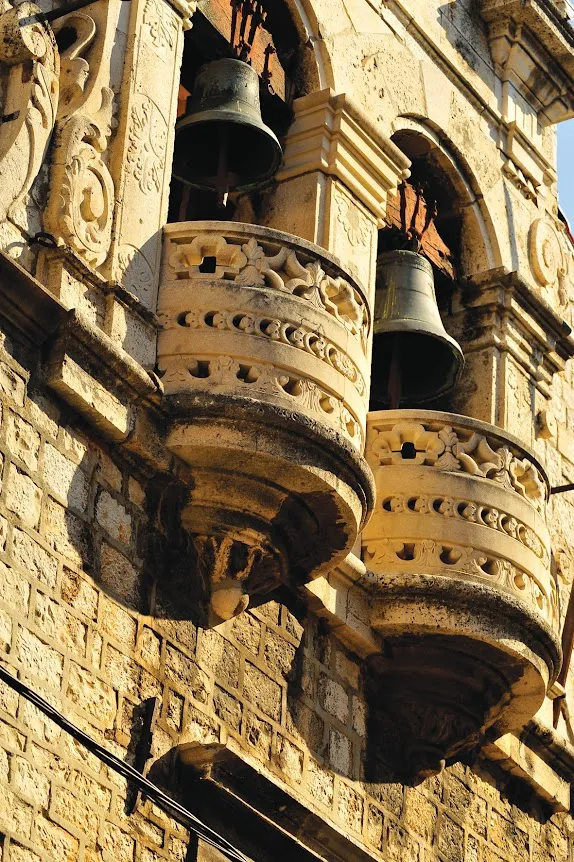
The cathedral also has its own interpretation center. It is called Civitas sacra which means "holy city" in Latin and symbolizes the centuries-old aspiration of the people of Šibenik to build a cathedral unlike any seen before. Through the interactive exhibits, you will learn more about the secrets of the cathedral's construction while admiring the valuable works of sacred art that abound in Šibenik. It is located just a 3-minute walk from the cathedral on King Tomislav Street, which locals still refer to by its old name, Kalelarga.